Lifetime Dental

CEREC Same-Day Crowns in Gainesville: Your Guide to One-Visit Dental Restorations

January 13, 2026

Discover how CEREC same-day crown technology transforms dental restoration in Gainesville, delivering permanent, high-quality crowns in a single visit for Hall County residents seeking convenience and precision.

Table of Contents

Key Takeaways (TL;DR)

  • Single-Visit Solution: CEREC technology delivers permanent dental crowns in one 2-hour appointment, compared to the traditional 2-3 week process requiring multiple visits for Gainesville patients.

  • Digital Precision: Advanced CAD/CAM technology and digital impressions create crowns with exceptional fit and accuracy, eliminating the discomfort of traditional putty molds.

  • High-Quality Materials: CEREC crowns are milled from durable, aesthetic ceramic blocks (like lithium disilicate) that rival or exceed traditional lab-fabricated crowns in strength and appearance.

  • Ideal for Busy Lifestyles: Perfect for working professionals, parents, and anyone in Hall County with scheduling constraints who needs efficient, high-quality dental care without multiple appointments.

  • Proven Longevity: With proper care, CEREC crowns can last 10-15 years or more, offering Gainesville residents a durable restoration that protects their investment in oral health.

Introduction: Revolutionizing Dental Care in Gainesville

For Hall County residents facing the need for a dental crown, the traditional process often meant scheduling two appointments weeks apart, tolerating a temporary crown, and managing the inconvenience of disrupted schedules. CEREC (Chairside Economical Restoration of Esthetic Ceramics) technology has transformed this experience, offering Gainesville patients a same-day solution that combines precision, convenience, and exceptional results. This advancement represents a significant leap in restorative dentistry, allowing local residents to complete what was once a multi-week process in a single visit. As part of comprehensive dental care in Gainesville, CEREC exemplifies how modern technology enhances patient experience while maintaining the highest clinical standards.

What Are CEREC Same-Day Crowns and How Do They Work?

CEREC technology utilizes computer-aided design and computer-aided manufacturing (CAD/CAM) to create precise dental restorations chairside. The system combines three key components: an intraoral scanner that captures detailed 3D images of the prepared tooth, design software that allows the dentist to create a custom restoration on-screen, and a milling unit that fabricates the crown from a solid ceramic block. This integrated process eliminates the need for traditional impressions, temporary crowns, and dental lab involvement, delivering a permanent restoration in approximately two hours.

The Technology Behind the Transformation

The CEREC system represents over three decades of development in digital dentistry. Modern units used by Gainesville dentists can capture sub-20-micron accuracy with their scanners, design restorations with precision occlusion (bite) relationships, and mill crowns from advanced ceramic materials that offer both strength and natural aesthetics. This technology integration allows for restorations that often fit more precisely than those created through traditional methods, as digital design eliminates potential distortions that can occur with physical impression materials and lab processes.

The Step-by-Step CEREC Process: What to Expect During Your Visit

Understanding what happens during a CEREC appointment helps Gainesville patients prepare for their experience and appreciate the efficiency of the technology.

1. Consultation & Tooth Preparation (45-60 minutes)

The process begins similarly to traditional crown preparation. After administering local anesthesia for comfort, the dentist removes decay and shapes the tooth to receive the crown. The key difference emerges immediately after preparation—rather than taking a putty impression, the dentist proceeds to digital scanning.

2. Digital Impressions (10-15 minutes)

An intraoral scanner captures precise 3D images of the prepared tooth and surrounding teeth. This wand-like device creates a digital map that appears on a chairside monitor, allowing both dentist and patient to view the scanned area. The process is comfortable, eliminates gag reflex concerns common with traditional impressions, and provides immediate verification of capture quality.

3. Design Phase (15-20 minutes)

CEREC vs. Traditional Crowns: A Local Comparison for Gainesville Patients

Aspect CEREC Same-Day Crown Traditional Lab Crown
Visit Count One appointment Two appointments (2-3 weeks apart)
Total Time Investment 2-2.5 hours in office 3-4 hours (across multiple visits)
Impressions Digital scan (comfortable, no gagging) Putty molds (can be uncomfortable)
Temporary Crown Not needed Required for 2-3 weeks
Material Options High-quality ceramics (e.g., lithium disilicate) Full range (ceramics, porcelain-fused-to-metal, gold)
Fit & Precision Digital design for optimal marginal fit Depends on impression quality and lab skill
Best For Gainesville Patients Busy schedules, straightforward cases, those seeking convenience Complex cases, specific material needs, full-mouth rehabilitation
Local Availability Select advanced practices in Gainesville Widely available throughout Hall County
Comparing Dental Crown Options Available to Gainesville and Hall County Residents

Who Is a Good Candidate for CEREC Same-Day Crowns in Gainesville?

CEREC technology offers significant advantages for many Hall County residents, but understanding candidacy helps ensure optimal outcomes.

Ideal Candidates for CEREC Technology

  • Busy Professionals: Working adults in Gainesville who struggle to schedule multiple dental appointments
  • Parents with Limited Time: Those managing family schedules who need efficient dental care
  • Patients with Impression Anxiety: Individuals who dislike or gag during traditional putty impressions
  • Those Needing Immediate Results: Patients who prefer not to wait weeks with a temporary crown
  • Straightforward Crown Cases: Single crowns on teeth with standard anatomy and occlusion

When Traditional Crowns May Be Preferable

  • Complex Bite Issues: Cases requiring specialized lab expertise for occlusion adjustment
  • Specific Material Requirements: When gold or specialized porcelain-fused-to-metal crowns are indicated
  • Extensive Restorative Work: Full-mouth rehabilitation or multiple interconnected crowns
  • Severely Compromised Teeth: Cases requiring custom build-up or specialized foundation work

Benefits Beyond Convenience: Why Gainesville Patients Choose CEREC

While time savings represent the most obvious advantage, CEREC technology offers multiple benefits that enhance the dental experience for Hall County residents.

Clinical Advantages

Superior Marginal Fit: Digital impressions eliminate potential distortions from traditional impression materials, resulting in crowns with exceptional edge adaptation that helps prevent future decay at the crown margins.

Optimal Occlusion: The ability to design the crown with immediate digital feedback about bite relationships often results in restorations that require minimal adjustment at placement.

Patient Experience Benefits

No Temporary Crown Discomfort: Eliminating the 2-3 week period with a temporary crown means no concerns about temporary cement failure, crown displacement, or sensitivity.

Reduced Anxiety: Completing the entire process in one visit reduces dental anxiety for many Gainesville patients, as they leave with a permanent solution rather than anticipating a second procedure.

Practical Considerations for Hall County Residents

Scheduling Simplicity: For working professionals commuting along I-985 or parents managing school schedules in Oakwood and Flowery Branch, arranging one longer appointment often proves easier than coordinating two separate visits.

Emergency Readiness: In cases of broken teeth or lost crowns, CEREC technology allows Gainesville dentists to provide definitive same-day solutions rather than temporary fixes.

Long-Term Success and Care for Your CEREC Restoration

CEREC crowns, when properly placed and maintained, offer durability comparable to traditional crowns. Understanding care requirements helps Gainesville patients protect their investment.

Expected Lifespan and Performance

Clinical studies and practice experience indicate that properly placed CEREC crowns typically last 10-15 years or longer with appropriate care. The lithium disilicate ceramic commonly used in CEREC restorations exhibits flexural strength of approximately 360 MPa, making it suitable for both anterior and posterior teeth in most patients.

Maintenance Requirements

  • Consistent Oral Hygiene: Brushing twice daily and flossing around the crown margins prevents decay at the restoration edges
  • Regular Professional Care: Six-month checkups at your Gainesville dentist allow for monitoring of the crown and supporting tissues
  • Protective Measures: Nightguards for patients with bruxism (teeth grinding) protect both natural teeth and ceramic restorations
  • Avoiding Excessive Force: Not using teeth as tools to open packages or chew hard objects

Local Considerations: CEREC Access in Gainesville and Hall County

The availability of CEREC technology varies among dental practices in the Gainesville area. While not every practice offers this advanced technology, several factors influence its local availability and implementation.

Technology Adoption in Hall County

Dental practices offering CEREC typically invest significantly in both equipment and training. This investment often correlates with practices focused on advanced restorative and cosmetic dentistry. For Hall County residents, this means that practices offering CEREC are likely to provide comprehensive dental care with an emphasis on both function and aesthetics.

Proximity and Convenience Factors

For residents in surrounding communities like Oakwood, Flowery Branch, and Lula, the ability to complete crown treatment in one visit reduces travel time and scheduling complexity. This efficiency becomes particularly valuable when considering follow-up care and maintenance appointments as part of ongoing restorative dentistry needs.

Frequently Asked Questions (FAQs)

How much do CEREC crowns cost compared to traditional crowns in Gainesville?

CEREC crowns typically cost similarly to traditional high-quality ceramic crowns. While the technology represents a significant investment for dental practices, the elimination of lab fees and reduced chair time often balance the costs. Most dental insurance plans cover CEREC crowns similarly to traditional crowns when medically necessary. The exact cost varies based on the specific ceramic material used and the complexity of the case.

Are CEREC crowns as strong as lab-made crowns?

Yes, CEREC crowns made from modern ceramic materials like lithium disilicate offer comparable or superior strength to many traditional lab-fabricated crowns. The monolithic (single-material) construction of CEREC crowns eliminates potential weak points that can occur at porcelain-metal interfaces in some traditional crowns. Clinical studies show similar longevity rates between properly fabricated CEREC crowns and traditional crowns when placed in appropriate situations.

Is the color match as good with CEREC technology?

Modern CEREC systems offer excellent color matching capabilities. The digital design software includes shade mapping tools, and the ceramic blocks come in layered shades that mimic natural tooth translucency and depth. While extremely complex shade situations might benefit from a master ceramist’s artistry in a dental lab, CEREC provides exceptional aesthetic results for most clinical situations encountered by Gainesville patients.

What happens if the CEREC crown doesn’t fit perfectly?

The digital design process allows for precise adjustments before milling. If minor adjustments are needed after try-in, they can typically be made chairside with polishing instruments. In rare cases where significant adjustment is needed, the digital scan allows for rapid redesign and remilling, usually within the same appointment. This digital workflow actually provides more flexibility for adjustments than traditional methods where a new impression would be required.

Can CEREC be used for front teeth?

Absolutely. CEREC is commonly used for anterior (front) teeth restorations. The available ceramic materials provide excellent aesthetics for visible areas, and the precision of digital design ensures optimal fit and appearance. Many Gainesville patients choose CEREC for front teeth crowns because they can see the design on-screen and provide input during the process, and they leave with their final restoration the same day.

Sources & References

This article is based on information from authoritative dental organizations, clinical research, and dental technology manufacturers, including:

  • American Dental Association (ADA) guidelines on CAD/CAM dentistry
  • Clinical studies on CEREC restoration longevity and performance
  • Dentsply Sirona CEREC clinical documentation
  • Journal of Prosthetic Dentistry research on digital vs. traditional impressions
  • International Journal of Computerized Dentistry comparative studies

Last reviewed: January 2026

About the Author

This educational guide was developed with insights from dental professionals experienced in CAD/CAM dentistry and restorative procedures in the Gainesville area. The content reflects current standards of care in digital dentistry, focusing on providing Hall County residents with accurate, helpful information about CEREC technology and same-day dental restorations.

Restorative Dentistry in Gainesville, GA: Restoring Function, Health & Smiles

A definitive guide to restorative dentistry in Gainesville, GA, covering procedures from tooth-colored fillings to same-day crowns, bridges, and dentures—focused on restoring health, function, and confidence for Hall County residents.

Table of Contents

Key Takeaways (TL;DR)

  • Core Purpose: Restorative dentistry focuses on repairing damaged teeth (from cavities, cracked teeth) and replacing missing ones to restore oral health, chewing function, and speech.

  • Spectrum of Solutions: Options range from tooth-colored fillings and dental crowns to bridges, dentures, and implant-supported restorations, chosen based on the extent of damage or loss.

  • Technology Advantage: CEREC same-day crowns in Gainesville use digital impressions and chairside milling to deliver permanent crowns in one visit, a significant convenience for busy residents.

  • Local Pathway: Common dental emergencies in Gainesville, like a broken tooth or lost filling, often lead directly to restorative treatments such as crowns or root canal therapy.

  • Durable Investment: With proper care, modern dental restorations like crowns and bridges can last 10-15 years or longer, protecting your oral health and investment.

Introduction

When teeth are compromised by decay, damage, or loss, it affects far more than just your smile. Chewing, speaking, and overall oral health can be significantly impacted. For residents of Gainesville, Oakwood, and surrounding Hall County communities, modern restorative dentistry offers a path to reclaim function, health, and confidence. This guide explores the full spectrum of restorative treatments available locally, from discreet tooth-colored fillings to advanced same-day crowns and solutions for missing teeth. It’s designed to help you understand your options within the context of accessible, contemporary dental care in the Gainesville area. For a broader look at maintaining your dental health, you can explore our guide to comprehensive dental care in Gainesville, GA.

What Is Restorative Dentistry and How Does It Work?

Restorative dentistry is the dental specialty focused on diagnosing and treating diseases of the teeth and their supporting structures to restore function, health, and, where possible, aesthetics. Its primary goal is to preserve natural tooth structure and, when teeth are lost, to replace them in a way that maintains the integrity of the jaw and bite. According to the American Dental Association, these procedures are fundamental to stopping the progression of dental disease and preventing further tooth loss.

What’s the Difference Between Restorative Dentistry and Cosmetic Dentistry?

While there is overlap, the core intent distinguishes them. Restorative dentistry is primarily health-driven, addressing problems like cavities, cracked teeth, and missing teeth. Procedures such as dental crowns, fillings, and bridges are necessary to restore function. Cosmetic dentistry, conversely, is elective and focuses on improving the appearance of the smile, such as with teeth whitening or veneers. Many restorative procedures, like tooth-colored crowns, also provide excellent cosmetic results, blending health and aesthetics.

Tooth Repair Options: Saving Your Natural Tooth Structure

When damage is minimal to moderate, the goal is to conserve as much healthy tooth as possible. Gainesville dentists offer a tiered approach to tooth repair.

What Are Tooth-Colored Fillings and When Are They Used?

Tooth-colored fillings, made from composite resin, are used to repair small to mid-sized cavities or minor chips. They bond directly to the tooth, require less removal of healthy structure than older amalgam fillings, and match your natural tooth color. They are a standard, conservative restorative option for patients in Gainesville and Flowery Branch.

What Are Inlays and Onlays?

When a cavity or damage is too large for a filling but not extensive enough to require a full crown, inlays and onlays (sometimes called indirect restorations) are the ideal solution. Fabricated in a dental lab (or with CEREC technology), they are cemented into place. They are more durable and precise than large fillings, preserving more tooth structure than a crown.

When Is a Dental Crown Necessary in Gainesville?

A dental crown (or “cap”) is needed when a tooth is significantly weakened by large fillings, fracture, or after root canal therapy. It covers the entire visible portion of the tooth above the gum line, restoring strength, function, and shape. Crowns are commonly made from porcelain, ceramic, or zirconia for a strong, natural-looking result.

Restoration Type Best For Typical Visit Count Key Consideration for Gainesville Patients
Tooth-Colored Filling Small to medium cavities, minor chips 1 Conservative repair; ideal for preventing larger issues.
Inlay/Onlay Larger decay where filling isn’t suitable 2 (or 1 with CEREC) Preserves more tooth than a crown; durable lab-made solution.
Dental Crown Severely damaged/weakened teeth, post-root canal 2 (or 1 with CEREC) Full-coverage strength; material choice (e.g., zirconia) affects durability & aesthetics.
Comparison of Common Tooth Repair Restorations Available in Gainesville

Replacing Missing Teeth: Bridges, Dentures, and Implant Restorations

Replacing missing teeth is crucial to prevent shifting of remaining teeth, jawbone loss, and difficulties with chewing. Gainesville restorative dentists provide several proven solutions.

What Are Dental Bridges and How Do They Work?

A dental bridge uses the adjacent healthy teeth as anchors (abutments) to support a false tooth (pontic) that fills the gap. It is a fixed, non-removable solution that typically requires two visits. Modern bridges are often made from porcelain or zirconia for a natural look.

What Types of Dentures Are Available?

Dentures are removable appliances that replace multiple or all missing teeth. Partial dentures fill gaps when some natural teeth remain, while complete dentures replace a full arch. For greater stability, implant-supported dentures (overdentures) snap onto dental implants, preventing slipping and bone loss.

How Do Dental Implants Function as a Restoration?

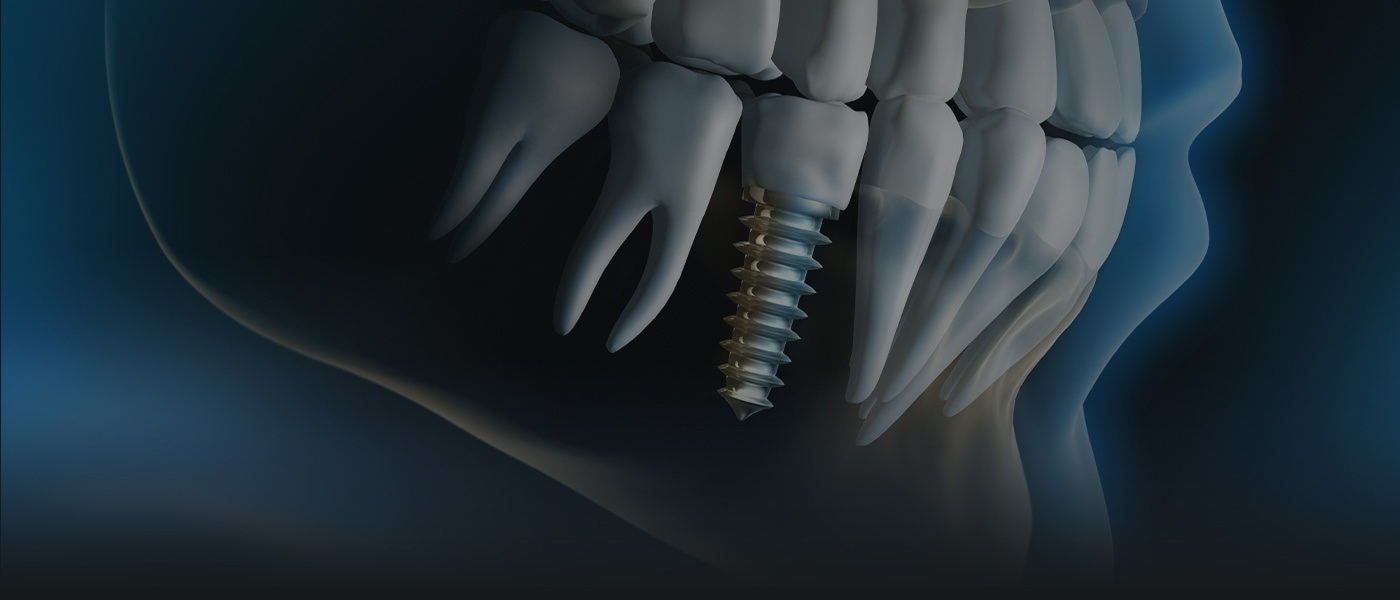
A dental implant itself is a titanium post surgically placed in the jawbone. It acts as an artificial tooth root. The restorative phase involves attaching an abutment and a custom-made crown (or bridge/denture) onto the implant. This creates the most stable, bone-preserving replacement option available.

CEREC Same-Day Crowns in Gainesville: The One-Visit Restoration

CEREC (Chairside Economical Restoration of Esthetic Ceramics) technology revolutionizes the crown and bridge process for eligible patients in Gainesville. It uses computer-aided design and manufacturing (CAD/CAM) to create precise, permanent ceramic restorations in a single appointment.

What Is the Step-by-Step Process for a CEREC Crown?

1. Tooth Preparation: The dentist prepares the tooth, just as for a traditional crown.
2. Digital Impressions: An intraoral scanner captures highly accurate digital impressions, eliminating messy traditional molds.
3. Design & Milling: The dentist designs the restoration on-screen, and a milling unit crafts it from a ceramic block onsite.
4. Bonding: The crown is tried in, adjusted if needed, and permanently cemented—all in one visit.

Aspect CEREC Same-Day Crown Traditional Lab Crown
Visit Count One Two (plus lab time)
Impressions Digital scan (comfortable) Physical putty molds
Temporary Crown Not needed Required for 2-3 weeks
Material & Fit High-quality ceramic; precise digital fit Wide material choice (porcelain, gold, etc.); depends on lab skill
Best For Patients seeking convenience, those with busy schedules, straightforward cases Highly complex cases, specific material requirements (e.g., gold alloys)
CEREC vs. Traditional Crowns: A Gainesville Patient’s Decision Guide

From Emergency Dentistry to Lasting Restoration

Many patients in Gainesville first encounter the need for restorative care through a dental emergency. A severe toothache, lost filling, or cracked tooth requires immediate attention to relieve pain and prevent worse damage.

What happens during a same-day emergency visit? The dentist will diagnose the issue, often with an X-ray, and provide immediate relief (e.g., a temporary filling or medication). For a broken tooth, this often leads directly to planning for a dental crown. If the pulp is infected, root canal therapy may be needed to save the tooth before the crown is placed. Understanding this pathway helps local residents know that emergency care is the first step toward a definitive, functional restoration.

How Long Do Dental Restorations Last and How Do I Care for Them?

The longevity of a dental restoration depends on the material, its location, and most importantly, patient care. With excellent oral hygiene and regular checkups, dental crowns and bridges can last 10-15 years or longer. Tooth-colored fillings typically last 5-10 years.

Aftercare essentials for Gainesville patients include:

  • Meticulous Oral Hygiene: Brushing twice daily and flossing around restorations to prevent decay at the margins.
  • Regular Professional Cleanings: Visiting your Gainesville dentist every six months allows for monitoring of the restoration and supporting tissues.
  • Protective Nightguards: For patients who grind their teeth (bruxism), a custom nightguard is recommended to protect both natural teeth and restorations from excessive force.
  • Avoiding Hard Objects: Do not use teeth to open packages or chew ice, which can crack crowns or fillings.

Community Overview — Comprehensive Dental Care in Gainesville and Hall County

Restorative dentistry services are a cornerstone of oral health for the communities surrounding Gainesville. Patients from Oakwood, Flowery Branch, Lula, and beyond seek reliable, modern solutions for damaged and missing teeth. The proximity to major routes like I-985 and Limestone Parkway facilitates access to care for those needing same-day crowns or follow-up visits for dental bridges. Local dentists understand the needs of Hall County residents, from managing emergency dentistry situations to providing long-term tooth replacement plans that fit active lifestyles. This local focus ensures that restorative care is not only clinically excellent but also logistically convenient for the people it serves.

Frequently Asked Questions (FAQs)

What is restorative dentistry?

Restorative dentistry encompasses all dental procedures that repair or replace damaged or missing teeth. Its primary goals are to restore proper function (chewing, speaking), eliminate pain, and prevent further dental health issues. Common treatments include fillings, crowns, bridges, dentures, and implant restorations.

What’s the difference between restorative dentistry and cosmetic dentistry?

The key difference is primary intent. Restorative dentistry is necessary to treat disease, damage, or tooth loss and restore health and function. Cosmetic dentistry is elective and focuses on improving the appearance of the smile. There is overlap, as many restorative procedures (like tooth-colored crowns) also provide excellent aesthetic results.

How long does it take to get a dental crown?

With traditional methods, getting a crown typically requires two visits over 2-3 weeks. The first visit prepares the tooth and takes impressions for a dental lab. The second visit fits the permanent crown. With CEREC technology, eligible patients in Gainesville can receive a permanent, high-quality ceramic crown in a single appointment.

What should I do if I lose a filling or break a tooth?

Contact a Gainesville emergency dentist as soon as possible. Avoid chewing on that side, and if there’s sharp edges, you can cover it with dental wax (available at pharmacies). The dentist will assess the damage, provide temporary relief if needed, and discuss the appropriate permanent restoration, which is often a crown for a broken tooth.

Is a bridge or implant better for replacing a missing tooth?

Both are excellent options with different considerations. A dental bridge is a faster, non-surgical solution that uses adjacent teeth for support. A dental implant is a surgical option that replaces the tooth root, preserving jawbone and not affecting adjacent teeth. The best choice depends on your oral health, bone density, timeline, and long-term goals. A consultation with a Gainesville dentist is necessary to determine the ideal option for you.

Sources & References

This article is based on information from authoritative dental health organizations and clinical guidelines, including:

  • American Dental Association (ADA). Restorative Dentistry.
  • Cleveland Clinic. Restorative Dentistry: What It Is & Common Procedures.
  • Journal of the American Dental Association (JADA). Longevity of Dental Restorations.

Last reviewed: January 3036

About the Author

This educational guide was developed with insights from experienced dental professionals dedicated to patient education in the Gainesville, GA community. The content reflects current standards of care in restorative dentistry, focusing on providing Hall County residents with clear, helpful information to make informed decisions about their oral health.

Dental Implant Post-Op Instructions With Lifetime Dental

January 9, 2026

If you’re considering a dental implant or just received one, you probably have questions. How long will recovery take? What can you eat? How do you prevent complications? At Lifetime Dental in Gainesville, GA, we believe in giving clear, caring guidance. Dental implant post-op instructions give you the right steps for the comfort, confidence and lasting results you deserve.

Your Peace Of Mind Is Our Standard Post-Op Procedure

The placement of a dental implant is an important step toward restoring your smile, but the healing process is just as critical. Dr. Shue Her, owner and lead implant dentist at Lifetime Dental, shares, “We know that dental implant surgery can feel like a big leap. That’s why we focus on supporting you with honest answers and personalized care before, during, and after your procedure.”

Many patients arrive with concerns about pain, swelling and how to avoid infection. One patient recently said, “I was nervous about getting an implant, but Dr. Her explained everything and gave me easy-to-follow instructions for recovery. I felt reassured from start to finish.” At Lifetime Dental, you deserve peace of mind from your very first visit.

How Can I Treat My Dental Implant Pain?

Right after your dental implant placement, it’s normal to experience mild discomfort, swelling or minor bleeding. To help control bleeding, bite gently on the gauze pad provided for about 30-45 minutes. If bleeding continues, replace the gauze as needed and apply gentle pressure. To reduce any swelling, hold a cold pack against your cheek for 15-20 minute intervals.

Dr. Her recommends, “Take any prescribed or over-the-counter pain medication as directed. Most patients find their discomfort manageable and notice improvement within the first two days.”

One Gainesville patient shared, “I followed the cold pack and medication tips, and my swelling was gone by the third day. The staff checked in on me, which made me feel cared for.”

What Can I Eat After A Dental Implant?

Your mouth will be sensitive, so stick to soft, cool foods for the first few days. Options like yogurt, applesauce, oatmeal, smoothies (without a straw), and scrambled eggs are gentle on your healing gum tissue. Avoid hot, spicy, crunchy or chewy foods that can irritate the surgical site.

Skip alcohol and tobacco, as both can slow the healing process and increase the risk of complications. Don’t chew on the side of your mouth where the implant was placed until Dr. Her gives you the all-clear. If you have dietary questions or preferences, our Lifetime Dental team is always a phone call away.

A patient told us, “I was worried I’d be stuck eating bland food, but Dr. Her gave me creative ideas. Soft fruits and soups helped me stay comfortable and satisfied.”

What Is The Post-Op Cleaning Care For A Dental Implant?

You can brush your teeth the night of your surgery, being careful to avoid the surgical area. If you have a temporary crown or healing abutment, be especially careful when cleaning around it. Starting the following day, gently rinse your mouth after meals with a warm saltwater solution (½ teaspoon salt in 8 ounces of water). Avoid commercial mouth rinses unless Dr. Her specifically recommends them.

One patient wrote, “The saltwater rinse was so easy and soothing. I felt confident I was keeping my mouth clean without hurting the area.”

The Road to Dental Implant Recovery

Mild discomfort, minor swelling, and slight bruising are typical after dental implant surgery. These symptoms usually improve within a few days. If you notice bleeding that won’t stop, severe pain after the third day or signs of infection, be sure to call Lifetime Dental right away.

Rest is your friend in the early days. Take it easy and avoid strenuous activity for at least 48 hours following your surgery. Hydrate with cool water, but avoid using a straw.

Dr. Her will schedule a follow-up visit to check your healing and remove any stitches if needed. This appointment is crucial to monitor your progress and catch any issues early. “Your smile is an investment,” Dr. Her says. “We want to see you heal well and enjoy your new tooth for years to come.”

A patient review sums it up: “Months after my implant, I’m thrilled with the results. Dr. Her’s instructions were clear, and his team always made me feel welcome.”

Why Choose Lifetime Dental in Gainesville, GA for Dental Implants?

At Lifetime Dental, Dr. Shue Her combines specialized training in implant dentistry, advanced technology and an unwavering commitment to patient comfort. From the first consultation to your final smile, you receive transparent advice, gentle care and a team that treats you like family.

Your comfort, recovery and confidence matter. If you’re looking for dental implant post-op instructions, have questions about your healing, or want to schedule your dental implant consultation, call Lifetime Dental at (770) 536-6688 or visit us at 1419 Pearce Cir, Gainesville, GA 30501. Experience the care and guidance you deserve because your smile is worth it. 

Dr. Shue Her, DDS – Author Bio

Dr. Shue Her is the owner and leading implant dentist at Lifetime Dental of Gainesville, GA. With specialized training in dental implant placement and restoration, Dr. Her is dedicated to helping patients achieve healthy, lasting smiles. He is known for his clear, practical dental implant post-op instructions and his commitment to patient comfort and education. Dr. Her’s expertise and compassionate care make him a trusted authority on dental implant post-op instructions for patients throughout the Gainesville community.

Root Canal Aftercare Instructions: Tips from Lifetime Dental

December 23, 2025

If you’ve recently had a root canal or have one scheduled, it’s natural to wonder what recovery will be like. Many people in Gainesville, GA, share concerns about pain, healing time and how to best care for their smile after treatment. At Lifetime Dental, we’re here to guide you on your road to recovery. Root canal aftercare instructions play a vital role in your comfort, health and confidence as you heal. 

What Happens After A Root Canal?

A root canal is designed to save your tooth and stop pain caused by infection or inflammation. Dr. Shue Her, owner of Lifetime Dental, says, “We see every patient as family, so we take extra care to support you from the moment you walk in to long after your treatment is complete. We want you to feel heard, supported, and truly cared for during your recovery.”

Many patients worry about discomfort and complications. One shared, “I was anxious before my root canal, but Dr. Her explained every step and gave me simple, thorough aftercare instructions. I felt so much better knowing what to expect, and my healing went smoothly.” At Lifetime Dental, we want you to leave our office feeling confident and cared for.

What to Expect During Your Root Canal Recovery

Your mouth may feel numb for a few hours after your root canal. Avoid eating or drinking anything hot until full sensation returns to prevent accidental injury to your cheek or tongue. Some mild soreness is common as you heal. Dr. Her recommends over-the-counter pain relievers like ibuprofen or acetaminophen as directed. Swelling is rare, but a cold compress on your cheek for 15-20 minutes at a time can help.

A Gainesville patient told us, “I followed Dr. Her’s advice to take it easy and use cold packs. I had less pain than I thought, and the staff even called to check on me the next day.”

Dos and Don’ts After a Root Canal

Stick to soft foods like yogurt, applesauce, mashed potatoes or scrambled eggs for the first day. Drink plenty of water to stay hydrated, but avoid straws as suction can disrupt healing.

Skip alcohol, tobacco and spicy foods for a few days to avoid irritating your healing gums. If you have questions about your diet, Dr. Her and the Lifetime Dental team are always ready to help because your comfort and recovery matter.

One patient told us, “I was worried about what to eat, but Lifetime Dental gave me a list of safe foods and some great meal ideas. That made my recovery so much easier.”

Gently brush your teeth the evening after your root canal, being careful around the treated area. 

If your gums feel tender, a rinse of half a teaspoon of salt in eight ounces of water after meals can help. Dr. Her encourages, “Keeping your mouth clean is essential to prevent infection. We recommend gentle care and saltwater rinses if your gums are sore.” 

Avoid over-the-counter mouth rinses unless directed by Dr. Her. One patient shared, “The salt rinse was simple but made a big difference. I felt fresher and had less swelling during my recovery.”

What Symptoms Indicate A Problem After A Root Canal?

Mild soreness or sensitivity for a few days is normal, especially when chewing. If you notice severe pain, swelling that lasts more than 48 hours, fever or a bad taste in your mouth, reach out to Lifetime Dental right away. These may be signs that something needs attention.

A Gainesville patient commented, “I had some soreness and worried it was a problem, but Dr. Her reassured me and explained what was normal. That personal attention meant a lot.”

How Long Does A Root Canal Take?

Root canal treatment usually takes two appointments. The first removes the infection and places a temporary filling; the second places your permanent crown or restoration. Don’t delay this final visit. Dr. Her reminds patients, “Your final crown or filling protects your tooth for years to come. We want you to keep your natural smile strong and healthy.”

Why Gainesville Chooses Lifetime Dental For Root Canals

You deserve a dental home where you feel safe, informed and valued. Dr. Shue Her’s advanced training, gentle touch and dedication to education make Lifetime Dental the choice for root canal care in Gainesville, GA. One patient put it best: “I wouldn’t go anywhere else for a root canal. Dr. Her is gentle, thorough, and always makes sure I know exactly how to care for my teeth.”

If you have questions about root canal aftercare instructions or want to schedule your next visit, call Lifetime Dental of Gainesville at (770) 536-6688 or stop by 1419 Pearce Cir, Gainesville, GA 30501. We’re the dental team that supports you every step of the way; here to help you heal well and keep smiling. 

Dr. Shue Her, DDS – Author Bio

Recognized for his expertise in endodontic care, Dr. Shue Her leads Lifetime Dental of Gainesville, GA, with a focus on patient comfort and education. With extensive experience performing root canals and guiding patients through recovery, Dr. Her is committed to providing detailed, easy-to-follow aftercare instructions. His compassionate approach and advanced knowledge have made him a respected authority on root canal aftercare in the Gainesville community.

Tooth Extraction Post-Op Instructions: Your Path to Comfortable Healing with Lifetime Dental

December 19, 2025

Facing a tooth extraction can stir up a mix of worry, relief and, of course, so many questions! At Lifetime Dental in Gainesville, GA, we believe in delivering care that doesn’t end when you leave our office. We picture a world where your recovery is smooth, your questions are answered and you feel confident every step of the way. 

After all, the real work of healing starts when you get home. Good post-op care isn’t just about comfort; it’s about protecting your health and helping you return to your daily routine quickly. Dr. Shue Her, owner of Lifetime Dental and a trusted Gainesville dentist, says, “We treat every patient like family. We want you to feel safe, informed and supported through every stage of care, especially after a procedure like tooth extraction.”

One patient shared, “I was nervous about my extraction, but Dr. Her explained everything and checked on me after. I followed his instructions and had almost no pain. I felt cared for the whole time.”

The First 24 Hours Following Tooth Extraction 

After your tooth is removed, a blood clot forms in the socket, which is the body’s natural bandage and is crucial to healing. Bite gently on the gauze pad we place after your extraction for about 30-45 minutes. If bleeding continues, replace it with a fresh piece of gauze as needed. Avoid spitting, rinsing or sucking through a straw for the rest of the day, as these actions can dislodge the clot and delay healing.

How Do I Manage My Pain and Swelling After My Tooth Extraction?

Mild discomfort and swelling are common. Use an ice pack on your cheek, alternating 20 minutes on, 20 minutes off for the first few hours. Take any prescribed or recommended pain medication as directed. Dr. Her notes, “Most patients feel better within a day or two when they follow the right post-op instructions for their tooth extraction.” If you experience severe pain or swelling that worsens after 48 hours, call our office right away.

Can I Eat And Drink After Surgery?

Yes, but be careful! Your mouth will be sensitive, so choose soft, cool foods like yogurt, applesauce or pudding for the first day. Avoid hot foods and drinks, crunchy foods or anything that can get stuck in the extraction site. Don’t drink alcohol or smoke, as these can slow healing and increase the risk of complications. Hydration is important, but remember to sip and never use a straw.

Patient feedback makes a difference: “I was worried I’d be starving, but the team gave me a list of foods and even called to check on me.” 

Can I Brush My Teeth After A Tooth Extraction?

You can brush your teeth the night of your extraction, but avoid the surgical site. The next day, use a warm saltwater solution (½ teaspoon salt in 8 ounces of water) to gently rinse your mouth after meals and before bed. Do not use commercial mouth rinses unless Dr. Her recommends it.

One patient wrote, “I appreciated the simple salt rinse advice; it kept my mouth fresh and my healing on track.”

When Can I Go Back To Work After My Tooth Extraction?

Most people feel well enough to return to work or school within a day or two. Full healing usually takes one to two weeks, and as Dr. Her explains, “Every patient is different, but with the right care, most people recover quickly and with minimal discomfort.” One patient review stands out: “I was so anxious, but Dr. Her’s instructions were clear and detailed. My recovery was much easier than I expected. I’m grateful for the care I received.”

It’s normal to have mild discomfort, but call our office if you notice persistent bleeding, swelling that doesn’t improve, fever or signs of infection. Dr. Her and our Lifetime Dental team are here for you, day and night. We can be reached at (770) 536-6688. “You deserve peace of mind,” Dr. Her says. “We want you to know we’re ready to help with any questions or concerns, no matter how small.”

Compassionate Care at Lifetime Dental in Gainesville, GA 

From your first consultation to your final checkup, Dr. Shue Her and our entire team are committed to treating you like family. You deserve expert care, clear communication and a gentle approach. Our patients’ words say it best: “I wouldn’t trust anyone else with my dental care. Dr. Her is thorough, kind and always explains what to expect.”

Located at 1419 Pearce Cir, Gainesville, GA, Lifetime Dental offers a full range of services, from simple extractions to complex oral surgery, preventive care and family dentistry. We serve Hall County and the surrounding area with a commitment to your comfort and well-being. Call to schedule your appointment today. Experience compassion and care from procedure to post-op instructions. We’re here to help you heal well and smile brighter, because you deserve care that lasts a lifetime.

Dr. Shue Her, DDS – Author Bio

Dr. Shue Her is the owner and lead dentist at Lifetime Dental of Gainesville, GA. With advanced training and years of hands-on experience, Dr. Shue specializes in gentle, effective tooth extractions and comprehensive post-operative care. He is known for his clear, patient-focused instructions that help patients heal comfortably and confidently after dental procedures. Dr. Shue’s expertise and compassionate approach make him a trusted authority on post-op instructions for tooth extraction in the Gainesville community.

Are You a Candidate for Dental Implants? A Gainesville Dentist’s Evaluation Checklist

December 14, 2025

A comprehensive guide to understanding implant candidacy factors, with a local evaluation checklist for Hall County residents.

Key Takeaways (TL;DR)

  • Oral Health Foundation: Healthy gums and treated dental disease are essential prerequisites evaluated by all Gainesville implant dentists.

  • Bone is Critical: Adequate jawbone density is mandatory, but bone grafting (available locally) successfully overcomes deficiency for many patients.

  • Health Conditions Matter: Well-managed diabetes or osteoporosis are not automatic disqualifiers, but require careful coordination with your Gainesville physician.

  • Lifestyle Impact: Smoking reduces success rates by up to 50%; reduction or cessation is strongly recommended before treatment in Hall County.

  • Definitive Assessment Required: Only a comprehensive evaluation with a Gainesville dentist, including a 3D CBCT scan, can provide a final candidacy determination.

Introduction: Understanding Candidacy Beyond the Desire for Implants

Determining if you’re a candidate for dental implants involves much more than simply wanting to replace missing teeth. It’s a comprehensive evaluation of your oral health, medical history, bone structure, and personal habits. For residents of Gainesville, Hall County, and surrounding areas, this assessment is the critical first step toward a successful, long-lasting tooth replacement solution.

According to the American Academy of Implant Dentistry, while millions of Americans are candidates for dental implants, each person’s suitability depends on a unique combination of factors. This guide provides a detailed checklist and evaluation framework used by dental professionals in the Gainesville area, helping you understand what dentists look for and how to prepare for your consultation.

The Gainesville Dental Implant Candidacy Checklist

Use this self-assessment tool as a preliminary guide before your professional evaluation with a Gainesville dentist. Check each item that applies to you.

Self-Assessment Checklist

Oral Health Factors

Healthy gums (no active periodontal disease)
Good daily oral hygiene routine
No untreated dental infections
Adjacent teeth are stable and healthy

Medical & Health Factors

No uncontrolled diabetes (A1C under 7%)
No history of IV bisphosphonate use
No uncontrolled autoimmune disorders
No active cancer treatment in jaw area

Bone & Structural Factors

Tooth loss within past 1-2 years
No significant jawbone deterioration
Adequate space between adjacent teeth
Good overall facial bone structure

Lifestyle & Commitment

Non-smoker or willing to quit before/during healing
Willing to commit to excellent oral hygiene
Can attend all follow-up appointments
Realistic expectations about timeline/cost

Note: This is a self-assessment tool only. A definitive determination requires evaluation by a qualified Gainesville implant dentist.

Scoring Guide: If you checked most items, you may be a good candidate. Items left unchecked represent areas to discuss with your Gainesville dentist, as many factors can be addressed through pretreatment care or modified protocols.

Oral Health Requirements: The Non-Negotiable Foundation

Your mouth must be a healthy environment for implants to succeed. Gainesville dentists evaluate several critical oral health factors:

Factor Why It Matters Gainesville Approach
Gum Health Periodontal disease creates inflammation that prevents bone integration with implants. Require periodontal treatment first; verify stability for 3-6 months before implants.
Oral Hygiene Implants require meticulous cleaning to prevent peri-implantitis (implant gum disease). Assess current habits; provide hygiene education; may recommend electric toothbrushes/water flossers.
Adjacent Teeth Unstable teeth near implant sites can transfer bacteria and compromise healing. Address decay or mobility in nearby teeth before or during implant planning.
Existing Infections Active infection creates hostile environment for implant healing and osseointegration. Extract infected teeth, allow complete healing (typically 6-12 weeks) before implant placement.

Local Insight: Many Gainesville dental practices report that periodontal disease is the most common reason for delayed implant treatment. The good news is that with proper treatment at local periodontists or general dentists, most patients can achieve the gum health needed for successful implants.

The Critical Link Between Gum Disease and Implant Failure

Research in the Journal of Periodontology shows that patients with untreated periodontal disease have up to 4 times higher implant failure rates. The bacteria that cause gum disease can attack the tissues around implants, leading to peri-implantitis—a destructive inflammatory process that can cause bone loss and implant failure.

Medical Health Considerations: Systemic Factors That Influence Success

Your overall health significantly impacts your ability to heal after implant surgery. Gainesville dentists coordinate with the local medical community, including Northeast Georgia Medical Center specialists, to ensure safe treatment for patients with health conditions.

Conditions Requiring Special Consideration

  • Uncontrolled Diabetes (A1C > 7%)
  • IV Bisphosphonate Use (for osteoporosis/cancer)
  • Active Chemotherapy/Radiation in jaw area
  • Unmanaged Autoimmune Disorders
  • Organ Transplantation (immunosuppressants)
  • Uncontrolled Heart Conditions

These often require medical clearance and modified protocols.

Usually Not Disqualifying (When Managed)

  • Controlled Diabetes (A1C < 7%)
  • Oral Bisphosphonates (with proper planning)
  • Hypertension (controlled with medication)
  • Osteoporosis (without IV medications)
  • Mild Autoimmune Conditions (stable)
  • History of Cancer (with adequate healing time)

These typically require collaboration with your physician.

Diabetes Management: For Gainesville patients with diabetes, the key factor is glycemic control. Studies show implant success rates comparable to non-diabetic patients when A1C levels remain below 7%. Your dentist will likely request recent blood test results and may coordinate with your endocrinologist or primary care physician.

Bone Density & Grafting Solutions: Building the Foundation

Adequate jawbone is the most fundamental requirement for dental implants. When teeth are lost, the bone that supported them begins to resorb (shrink). Gainesville dentists use cone beam CT (CBCT) scans to precisely measure bone volume in three dimensions.

Common Bone Grafting Procedures Available in Gainesville

  1. Socket Preservation: Graft material placed immediately after extraction to prevent bone loss. (Most common, minimal recovery)
  2. Sinus Lift: Bone added to upper jaw below sinus for back tooth implants. (Requires 4-9 months healing)
  3. Ridge Augmentation: Bone added to narrow jaw ridges to create adequate width. (Typically 4-6 months healing)
  4. Block Bone Graft: Solid piece of bone secured to jaw for major reconstruction. (Longest healing: 6-9 months)
Bone Condition Estimated % of Gainesville Patients Typical Solution Added Time to Treatment
Adequate Bone ~35% Direct implant placement 0 months
Minor Deficiency ~45% Socket preservation or small graft 3-4 months
Moderate Deficiency ~15% Sinus lift or ridge augmentation 4-6 months
Severe Deficiency ~5% Major block graft or alternative solutions 6-9+ months
Based on aggregated data from Gainesville-area dental practices (2024 estimates)

Most Hall County patients with bone loss are still candidates thanks to modern grafting techniques. The key is understanding that grafting adds time to your overall treatment timeline but makes implant success possible.

Age, Lifestyle & Behavioral Factors

Age Considerations for Gainesville Patients

Minimum Age: Implants are generally not placed until jaw growth is complete—typically around age 18 for girls and 21 for boys. This prevents implants from becoming misaligned as the jaw continues to develop.

Maximum Age: There is no upper age limit for dental implants! Many seniors in Gainesville successfully receive implants. The determining factors are health status and bone quality, not chronological age. According to the International Journal of Oral & Maxillofacial Implants, patients in their 80s and 90s have similar success rates to younger patients when they’re in good health.

The Impact of Smoking on Implant Success

Smoking is one of the most significant modifiable risk factors for implant failure. Nicotine constricts blood vessels, reducing blood flow to the gums and bone, which impairs healing and osseointegration.

Smoking Statistics & Implant Outcomes

  • Failure Rates: Smokers have 2-3 times higher implant failure rates than non-smokers
  • Complication Rates: Smoking increases risk of infection, poor healing, and bone loss by up to 140%
  • Local Resources: Gainesville offers smoking cessation programs through the Hall County Health Department and Northeast Georgia Medical Center
  • Recommendation: Most Gainesville dentists recommend quitting at least 2 weeks before surgery and throughout healing (8-12 weeks minimum)

Many Gainesville dentists work with smokers using a graduated approach: encouraging complete cessation, but if not possible, requiring significant reduction and implementing enhanced protocols like antibiotic regimens and more frequent follow-ups.

Other Lifestyle Considerations

  • Teeth Grinding (Bruxism): Requires a protective night guard to prevent excessive force on implants
  • Nutrition: Adequate protein, vitamin C, and calcium support healing; some Gainesville dentists provide dietary guidelines
  • Alcohol Consumption: Excessive alcohol can interfere with healing; moderation is recommended during recovery
  • Recreational Drugs: These can severely compromise healing and are contraindicated during implant treatment

The Gainesville Consultation Process: What to Expect

A comprehensive evaluation at a Gainesville dental practice typically includes these components:

Step-by-Step Evaluation Process

  1. Medical History Review: Detailed discussion of health conditions, medications, allergies, and habits
  2. Oral Examination: Assessment of gums, remaining teeth, bite, and oral hygiene
  3. 3D CBCT Scan: Essential imaging to measure bone dimensions and identify anatomical structures
  4. Diagnostic Models: Impressions or digital scans of your teeth to plan restoration
  5. Photographs: Intraoral and facial photos for aesthetic planning
  6. Treatment Planning Conference: Discussion of findings, options, timeline, and investment

Many Gainesville practices now use advanced digital technology including intraoral scanners and 3D planning software, allowing you to see a virtual preview of your potential results.

Preparing for Your Gainesville Implant Evaluation

To make your consultation as productive as possible, bring the following to your appointment:

  • Medical Records: Recent blood test results (especially A1C if diabetic), physician contact information
  • Medication List: All current prescriptions, over-the-counter medications, and supplements
  • Dental History: Previous X-rays, records of extractions, gum treatments, or other dental work
  • Insurance Information: Dental and medical insurance cards (some medical plans cover implants in certain situations)
  • List of Questions: Write down your concerns and questions beforehand

Frequently Asked Questions (FAQs)

The Latest Advances in Dental Implant Technology: What’s New in Gainesville

How AI planning, guided surgery, and new materials are transforming tooth replacement for Hall County residents.

Key Takeaways (TL;DR)

  • AI & 3D Planning: Gainesville practices now use AI-assisted software and CBCT scans for precise, predictable implant placement with virtual smile previews.

  • Guided Surgery: Computer-generated surgical templates enable minimally invasive “flapless” procedures with improved accuracy and faster healing times.

  • Zirconia Implants: Metal-free, hypoallergenic zirconia implants offer superior aesthetics for front teeth and are now available in Gainesville.

  • Digital Workflows: Intraoral scanners replace messy impressions, and same-day temporary teeth are possible through in-office milling technology.

  • Local Access: Several Gainesville dental practices have invested in this technology, making advanced implant care accessible to Hall County residents without traveling to Atlanta.

Introduction: The Digital Revolution in Implant Dentistry

Dental implant technology has undergone a transformation more significant in the past decade than in the previous fifty years combined. For patients in Gainesville, Hall County, and surrounding communities like Oakwood and the Lake Lanier area, these advances mean more predictable outcomes, faster recovery, and better long-term results than ever before. What was once a largely manual process—dependent on a dentist’s skill and two-dimensional X-rays—has evolved into a precise digital workflow combining 3D imaging, computer-guided planning, and innovative materials.

According to the American Academy of Implant Dentistry, the integration of digital technology has improved implant success rates to over 98% for standard cases. This article explores the specific technologies now available to Gainesville-area patients and how they’re changing the experience and outcomes of tooth replacement.

Digital Treatment Planning: From Guesswork to Precision

How Has 3D Imaging Changed Implant Planning in Gainesville?

The foundation of modern implant dentistry is the cone beam computed tomography (CBCT) scan. Unlike traditional dental X-rays that show only two dimensions, CBCT creates a detailed three-dimensional model of your jawbone, revealing bone density, nerve pathways, sinus locations, and anatomical variations invisible on conventional films.

Key Advantages of 3D CBCT Planning

  • Accurate Measurements: Precise determination of bone height and width for optimal implant size selection
  • Nerve Mapping: Clear visualization of the inferior alveolar nerve to avoid nerve damage
  • Sinus Assessment: Evaluation of sinus cavities for upper jaw implants
  • Virtual Placement: Trial implant positioning in the software before actual surgery

Several Gainesville dental practices have invested in in-office CBCT technology, meaning patients can receive comprehensive scans and treatment planning during a single consultation without needing referrals to imaging centers.

What Role Does AI Play in Modern Implant Planning?

Artificial intelligence has entered the dental implant field through sophisticated planning software. These AI-powered programs analyze CBCT data and suggest optimal implant positions based on thousands of successful cases in their databases. The software considers:

  • Bone density patterns for primary stability
  • Prosthetic requirements for the final restoration
  • Biomechanical forces for long-term success
  • Aesthetic considerations for natural-looking results

The AI generates a proposed treatment plan that the dentist then reviews and customizes, creating a collaborative approach that combines machine learning with clinical expertise.

Guided Implant Surgery: The Precision Approach

Once the digital planning is complete, the information transfers directly to the surgical phase through computer-guided surgery. This technology represents one of the most significant advances for patient comfort and surgical accuracy.

Technology How It Works Patient Benefits Availability in Gainesville
Static Surgical Guides 3D-printed acrylic templates that fit over teeth/gums to guide drill placement Minimally invasive, reduced surgery time, improved accuracy Widely available at implant-focused practices
Dynamic Navigation Real-time tracking system showing drill position on screen relative to plan Adjustments during surgery, ideal for complex cases Limited availability at specialized centers
Robotic-Assisted Surgery Robotic arm executes pre-programmed drill path with sub-millimeter accuracy Ultimate precision, reduced human error Not yet available locally; Atlanta-based
Comparison of guided surgery technologies relevant to Gainesville patients (2024)

The Journal of Oral and Maxillofacial Surgery reports that guided surgery reduces the margin of error in implant placement from approximately 2mm with freehand techniques to less than 0.5mm with guided approaches. This precision translates directly to better outcomes for Gainesville patients.

What Are the Benefits of Flapless Guided Surgery?

Many guided implant procedures in Gainesville are now performed using flapless techniques, where the implant is placed through a small punch hole in the gum rather than a traditional flap incision. Benefits include:

  • Reduced Bleeding: Minimal disruption of blood vessels
  • Faster Healing: No sutures needed in many cases
  • Less Discomfort: Preserved gum tissue and reduced post-operative pain
  • Immediate Function: Often allows for temporary same-day teeth

New Implant Materials & Surfaces

While titanium remains the gold standard for dental implants due to its proven biocompatibility and strength, new materials and surface treatments are expanding options for Gainesville patients.

Zirconia Implants

Best for: Front teeth, patients with metal allergies, those concerned about aesthetics

  • Metal-free, ceramic composition
  • Tooth-colored for gumline aesthetics
  • Hypoallergenic properties
  • One-piece design reduces bacterial colonization

Available at select Gainesville practices

Nanotechnology Surfaces

Best for: Patients with lower bone density, faster healing needs

  • Micro-roughened surfaces at nano-level
  • Increased surface area for bone attachment
  • Biomimetic coatings that encourage osseointegration
  • Up to 30% faster healing in some cases

Common in modern titanium implants

Research in the International Journal of Oral & Maxillofacial Implants shows that zirconia implants have comparable success rates to titanium in the anterior region (front teeth) and offer distinct advantages for patients with thin gum tissues where metal might show through.

Digital Impressions & Same-Day Teeth

The digital revolution extends beyond surgery to the entire restorative process. Intraoral scanners have largely replaced the uncomfortable, gag-inducing putty impressions that many dental patients dread.

The Digital Implant Workflow in Gainesville Practices

  1. Digital Scanning: Intraoral scanner creates precise 3D model of your mouth in minutes
  2. Virtual Design: Crown/bridge/denture designed digitally using scan data
  3. In-Office Milling: CEREC or similar systems mill restoration from ceramic block
  4. Same-Day Placement: Temporary or final restoration placed immediately
  5. Digital Records: All data stored for future adjustments or repairs

For Gainesville patients, this means:

  • Fewer Appointments: Often reduces visits by 30-50%
  • Immediate Temporaries: Walk out with teeth the same day as surgery
  • Better Fitting Restorations: Digital accuracy improves crown/bridge fit
  • Enhanced Comfort: No more messy impressions or temporary relines

Local Technology Access in Gainesville & Hall County

Community Overview — Advanced Dental Technology in Gainesville and North Georgia

Gainesville’s position as a regional healthcare hub extends to dental technology. Several factors contribute to the availability of advanced implant technology in Hall County:

  • Medical Ecosystem: Proximity to Northeast Georgia Medical Center creates a culture of medical technology adoption
  • Economic Growth: Gainesville’s expanding economy supports dental practice investment in advanced equipment
  • Patient Demand: Educated patient population seeks out and expects modern dental care
  • Competitive Market: Multiple implant providers in the area drives technological advancement

Technology Available at Select Gainesville Practices:

  • Cone Beam CT (CBCT) imaging systems
  • Intraoral digital scanners (iTero, 3Shape, CEREC)
  • 3D printers for surgical guide fabrication
  • In-office milling machines for same-day restorations
  • Guided surgery systems with static surgical guides

Patients from surrounding areas like Oakwood, Flowery Branch, and Lake Lanier communities now have access to technology that, just a decade ago, would have required travel to Atlanta or university dental centers.

How to Evaluate a Practice’s Technological Capabilities

When researching implant providers in the Gainesville area, consider asking:

  • Do you use 3D CBCT imaging for implant planning?
  • Do you create digital surgical guides for implant placement?
  • What type of digital impression system do you use?
  • Can you provide same-day temporary teeth?
  • What implant systems and materials do you offer?

Practices invested in modern technology will typically showcase it on their websites, in their offices, and during consultations.

Patient Benefits & Practical Considerations

Benefit Technology Enabling It Impact on Gainesville Patients
Higher Success Rates 3D planning, guided surgery Increased to 98%+ for standard cases
Reduced Treatment Time Digital workflows, same-day temporaries Fewer appointments, faster overall process
Improved Comfort Flapless surgery, digital impressions Less pain, no gagging on impressions
Better Aesthetics Virtual smile design, zirconia options More natural-looking results
Enhanced Predictability AI planning, virtual previews Know what to expect before treatment begins

Cost Considerations: Advanced technology represents a significant investment for dental practices, which may be reflected in treatment fees. However, for many Gainesville patients, the benefits of increased predictability, fewer complications, and better long-term outcomes justify the investment. Some insurance plans may cover certain technological components, while others consider them advanced services with limited coverage.

Frequently Asked Questions (FAQs)

How does guided surgery improve implant success rates in Gainesville?

Guided surgery improves success rates by ensuring precise implant positioning in three key dimensions: depth, angle, and location. This precision minimizes the risk of damaging adjacent structures like nerves or sinuses, ensures adequate bone support around the implant, and allows for optimal placement for the final restoration. The minimally invasive nature also preserves bone and soft tissue, promoting better healing.

Are zirconia implants better than titanium for Gainesville patients?

Zirconia implants aren’t universally “better” but offer specific advantages for certain situations. They’re ideal for front teeth where aesthetics are crucial, for patients with metal allergies or sensitivities, and for those who prefer a metal-free option. Titanium remains the gold standard for most cases due to its long-term track record and flexibility in design. The best choice depends on your specific clinical situation, which a Gainesville implant dentist can evaluate.

Can I get same-day teeth with implants in Gainesville?

Yes, same-day temporary teeth are increasingly available in Gainesville for qualified candidates. This requires sufficient initial implant stability, careful case selection, and in-office milling technology (like CEREC) to create the temporary restoration. Not all patients or cases are suitable for immediate loading, but for appropriate candidates, it means walking out with teeth the same day as surgery.

Does dental insurance cover these advanced technologies?

Insurance coverage varies widely. Most plans cover basic implant components but may consider guided surgery, CBCT scans, and digital impressions as “advanced” or “alternative” services with limited or no coverage. Some plans have begun to recognize the benefits of these technologies and offer partial coverage. It’s essential to verify benefits with your specific insurance provider and discuss financing options with your Gainesville dental practice.

How do I know if a Gainesville dentist has up-to-date implant technology?

Look for specific technology mentions on their website: CBCT/3D imaging, intraoral scanners, guided surgery, CEREC/same-day crowns, and digital impressions. During consultations, ask direct questions about their planning process, surgical approach, and restorative workflow. Modern practices typically showcase their technology in the office and are transparent about their capabilities. You can also check for affiliations with implant companies that provide advanced training and technology.

The Future of Implant Technology in North Georgia

The pace of innovation in dental implant technology shows no signs of slowing. For Gainesville and Hall County residents, several trends are likely to become accessible in the coming years:

  • Augmented Reality (AR) Planning: Visualizing implant placement through AR glasses during consultation
  • Biomimetic Implants: Designs that more closely mimic natural tooth structure and function
  • Personalized Implants: 3D-printed custom implants shaped to individual anatomy
  • Tele-dentistry Integration: Remote consultations with specialists using shared digital data
  • Regenerative Technologies: Enhanced bone grafting materials and growth factors

The International Congress of Oral Implantologists predicts that within five years, fully digital workflows will become standard for most implant cases, further reducing treatment times and improving accessibility for patients in communities like Gainesville.

Conclusion: Making Informed Choices in a Tech-Driven Era

The advances in dental implant technology represent more than just new gadgets—they signify a fundamental shift toward more predictable, comfortable, and successful tooth replacement. For Gainesville and Hall County residents, these technologies are no longer futuristic concepts but practical tools available locally.

When considering dental implants today, patients should evaluate both the clinician’s expertise and their technological capabilities. The most successful outcomes typically result from the combination of an experienced implant dentist and appropriate modern technology.

Remember that while technology enhances outcomes, the most critical factors remain the skill and experience of your dental team and your commitment to oral hygiene and follow-up care. By combining advanced technology with clinical expertise and patient cooperation, dental implants can provide functional, aesthetic, and lasting solutions for missing teeth.


Sources & References

This article incorporates information from authoritative dental organizations and peer-reviewed sources:

  • American Academy of Implant Dentistry (AAID) – Technology guidelines and success rate data
  • International Congress of Oral Implantologists (ICOI) – Research on digital workflows
  • Journal of Oral and Maxillofacial Surgery – Studies on guided surgery accuracy
  • International Journal of Oral & Maxillofacial Implants – Zirconia versus titanium research
  • Journal of Prosthetic Dentistry – Digital impression accuracy studies
  • American Dental Association (ADA) – Standards for digital dentistry
  • Georgia Dental Association (GDA) – State-specific technology adoption trends

Last reviewed: December 2025

Gainesville Dental Implants vs Dentures: Comprehensive Comparison

A comprehensive, evidence-based guide to tooth replacement options for Hall County residents.

Key Takeaways (TL;DR)

  • Implant Advantages: Dental implants act as artificial tooth roots, providing superior stability, bone preservation, and longevity (often 25+ years) compared to removable dentures.

  • Denture Benefits: Traditional and implant-supported dentures offer a more affordable, non-surgical solution for full arch replacement, with faster initial treatment timelines.

  • Local Considerations: Gainesville and Hall County residents should consider local provider expertise, technology (like CBCT scans), and follow-up care accessibility when choosing a solution.

  • Hybrid Solutions: Implant-supported overdentures offer a middle-ground, combining implant stability with the affordability and ease of dentures.

  • Essential Consultation: A comprehensive evaluation, including 3D imaging and medical history review, is crucial to determine the most appropriate tooth replacement plan.

What Are Dental Implants and Dentures, and How Do They Compare?

For residents of Gainesville, Hall County, and surrounding areas like Oakwood and the Lake Lanier communities, tooth loss can impact daily life, nutrition, and confidence. Two primary solutions dominate tooth replacement discussions: dental implants and dentures.

Dental implants are titanium posts surgically placed into the jawbone to act as artificial tooth roots. After a healing period (osseointegration), a custom crown, bridge, or denture is attached. They are a permanent, fixed solution that preserves jawbone and mimics natural tooth function. Dentures are removable prosthetic devices that replace missing teeth and surrounding tissues. They come in full or partial varieties and can be either traditional (resting on gums) or implant-supported (attached to implants for stability).

The choice between these solutions isn’t simply about replacing teeth; it’s about restoring oral function, maintaining facial structure, and supporting long-term health. According to the American Dental Association, replacing missing teeth is crucial to prevent the remaining teeth from shifting, which can lead to bite problems, jaw pain, and further tooth loss. This guide provides a detailed, evidence-based comparison to help Gainesville-area residents navigate this important decision.

Understanding Your Tooth Replacement Options

What Are the Different Types of Dental Implants Available in Gainesville, GA?

Dental implant technology offers several configurations to address different levels of tooth loss. Local dental practices in Gainesville and Hall County typically provide these main types:

Common Dental Implant Types

  • Single Tooth Implants: Replace one missing tooth with one implant and one crown. This is the standard for individual tooth replacement and does not affect adjacent healthy teeth.
  • Implant-Supported Bridges: Replace several consecutive missing teeth. Two or more implants support a bridge of artificial teeth, eliminating the need for a removable partial denture.
  • Full-Arch Implant Solutions (All-on-4® / All-on-X): A full set of upper or lower teeth is supported by a strategically placed series of implants (often 4-6). This is a permanent, fixed alternative to full dentures.
  • Implant-Supported Overdentures (Snap-In Dentures): A removable denture that “snaps” onto 2-4 dental implants. This hybrid option offers significantly more stability than traditional dentures at a lower cost than a fixed full-arch solution.

The suitability of each type depends on bone density, overall health, and specific tooth loss pattern, determined through clinical examination and 3D cone beam CT (CBCT) scans—technology now commonly available in Gainesville dental offices.

What Types of Dentures Are Available to Hall County Patients?

Dentures have evolved significantly from their historical predecessors. Modern dentures available to patients in Gainesville and surrounding communities include:

  • Complete (Full) Dentures: Replace all teeth in an arch. They rest on the gums and are stabilized by suction and muscle control. Modern materials like high-density acrylics provide better fit and aesthetics.
  • Partial Dentures: Replace multiple missing teeth when some natural teeth remain. They attach via clasps to adjacent teeth and help prevent remaining teeth from shifting.
  • Immediate Dentures: Placed immediately after tooth extraction, serving as a temporary solution during healing. These typically require adjustments or replacement once healing is complete.
  • Implant-Supported Overdentures: As mentioned above, these combine the benefits of implants (stability) with the affordability of dentures.

The American College of Prosthodontists notes that while traditional dentures restore basic function, implant-supported options dramatically improve chewing efficiency, speech clarity, and overall satisfaction for most patients.

Side-by-Side Comparison: Dental Implants vs. Dentures

Feature Dental Implants Traditional Dentures Implant-Supported Dentures
Stability & Function Fixed, feels like natural teeth. 90-95% chewing efficiency. Removable, can slip. ~30% chewing efficiency. Removable but secure. ~70-80% chewing efficiency.
Bone Preservation Prevents bone loss by stimulating jawbone. Does not prevent bone resorption; can accelerate facial collapse over time. Implants help preserve bone where placed; some resorption still occurs elsewhere.
Longevity 25+ years for implant post; 15-20 years for crown/bridge with proper care. 5-8 years before needing relining or replacement due to gum/bone changes. Implants: 25+ years; Denture component: 10-15 years.
Maintenance Brush and floss like natural teeth. Regular dental checkups. Remove nightly for cleaning. Soak in solution. Requires adhesives. Remove denture for cleaning; clean abutments like natural teeth.
Procedure & Timeline Surgical, multi-phase process. 3-9 months total. Non-surgical, impressions and fittings. 3-6 weeks. Combination of surgery and prosthetic. 3-6 months.
Cost Estimate (Per Arch)* $15,000 – $30,000+ $1,500 – $3,000 $7,000 – $15,000

*Costs are approximate ranges for the Gainesville, GA area and can vary based on case complexity, materials, and provider. Implant costs are for full-arch solutions.

Procedure & Recovery: What to Expect in Gainesville

What Is the Dental Implant Procedure Like in Hall County Practices?

The dental implant process at Gainesville-area practices typically follows these stages:

Dental Implant Timeline

  1. Consultation & Planning (1-2 weeks): Comprehensive exam, 3D CBCT scan, treatment planning, and possibly bone grafting if needed.
  2. Implant Surgery (1 day): Outpatient procedure under local anesthesia (often with sedation options). The titanium post is placed into the jawbone.
  3. Healing & Osseointegration (3-6 months): The bone fuses with the implant. A temporary tooth may be worn.
  4. Abutment Placement (2 weeks after healing): A connector piece is attached to the implant.
  5. Final Restoration (2-4 weeks): Custom crown, bridge, or denture is fabricated and attached.

Many Gainesville practices now offer guided implant surgery using 3D planning software, which increases precision and can reduce surgery time and discomfort.

What Is the Typical Recovery Timeline After Getting Dentures?

The denture process is generally less invasive but requires adaptation:

Initial Denture Adaptation Timeline

  • First 24-48 Hours: Sore spots are common as gums adjust. Stick to soft foods. Follow dentist’s instructions for wearing schedule.
  • First Week: Practice speaking and eating. Saliva flow increases. Begin to learn insertion/removal techniques.
  • Weeks 2-4: Muscles adapt to holding dentures. Eating efficiency improves. Follow-up appointments for adjustments are crucial.
  • Months 1-3: Most patients achieve reasonable comfort and function. Some may require a reline for better fit as gums settle.

For implant-supported dentures, there is an additional surgical recovery phase similar to standard implant placement, followed by the prosthetic adaptation period.

Cost, Insurance, & Financing in Gainesville, GA

Cost Component Dental Implants (Single) Traditional Dentures (Full Set) Notes for Gainesville Patients
Procedure Cost $3,000 – $6,000 $1,500 – $3,000 Implants are typically priced per tooth; dentures per arch.
Insurance Coverage Often 50% or less, if covered Typically 50% coverage Most GA dental plans have annual maximums ($1,000-$1,500) that affect coverage.
Additional Costs Bone graft, sinus lift, CT scan Adhesives, relines, repairs Dentures require replacement every 5-8 years; implants have longer lifespan.
Local Financing Options CareCredit, LendingClub, in-house plans Same as implants Many Gainesville dental practices offer payment plans to make treatment accessible.
Cost comparisons are estimates for the Gainesville, GA market as of 2024. Actual costs vary by case complexity and provider.

According to data from the American Dental Association, dental insurance typically covers a higher percentage of denture costs compared to implants, but long-term value calculations often favor implants due to their durability and preventive benefits for oral health.

Who Is a Candidate for Each Option?

Ideal Candidates for Dental Implants

  • Good general and oral health
  • Sufficient jawbone density
  • Non-smokers or willing to quit
  • Committed to excellent oral hygiene
  • Seeking a permanent solution
  • Realistic expectations about timeline

Ideal Candidates for Dentures

  • Multiple or all teeth missing in an arch
  • Significant bone loss (may preclude implants)
  • Budget constraints
  • Medical conditions that contraindicate surgery
  • Need for immediate tooth replacement
  • Preference for non-surgical option

For patients with inadequate bone for implants, bone grafting procedures are often available at Gainesville dental practices to create a suitable foundation. However, some patients may still be better served by dentures due to health considerations or personal preference.

Local Gainesville & Hall County Context

When considering tooth replacement options in the Gainesville area, several local factors come into play:

Community Overview — Comprehensive Dental Care in Gainesville and Hall County

Gainesville, as the county seat of Hall County, serves as a regional hub for healthcare services, including dental care. Residents from surrounding areas like Oakwood, Flowery Branch, and communities around Lake Lanier often seek dental services in Gainesville due to its concentration of dental professionals and advanced facilities.

Several local dental practices offer both implant and denture services, with varying levels of technology and specialization. Key considerations for Hall County residents include:

  • Access to Technology: Many Gainesville practices now offer CBCT scanning, digital impressions, and CEREC same-day crowns, which can enhance both implant planning and denture fabrication.
  • Follow-up Care: Considering the proximity of your dental provider is important, especially for implant patients who may need multiple post-operative visits during the healing phase.
  • Local Expertise: Gainesville’s dental community includes practitioners with specific training in implantology, prosthodontics, and sedation dentistry, offering comprehensive care options.
  • Community Resources: The presence of Northeast Georgia Medical Center in Gainesville provides additional medical support for patients with complex health considerations undergoing dental procedures.

Patients in neighborhoods like Downtown Gainesville, New Holland, Chicopee Village, and lakeside communities should consider travel time for multiple appointments when planning implant treatment, which typically requires more visits than denture fabrication.

Frequently Asked Questions (FAQs)

How long do dental implants last compared to dentures?

With proper care and maintenance, dental implant posts can last a lifetime, while the crowns or bridges attached may need replacement after 15-20 years. Traditional dentures typically require replacement every 5-8 years due to gum and bone changes. Implant-supported dentures offer a middle ground, with implants lasting decades and the denture component lasting 10-15 years.

Is the dental implant procedure painful?

Most patients report that implant placement involves minimal discomfort, comparable to a tooth extraction. Local anesthesia is used during the procedure, and many Gainesville dental practices offer sedation options for anxious patients. Post-operative discomfort is typically manageable with over-the-counter pain relievers and lasts only a few days.

Can I get dental implants if I’ve worn dentures for years?

Yes, many long-term denture wearers can transition to implants. However, extended denture use often leads to bone loss, which may require bone grafting before implant placement. A 3D CBCT scan, available at many Gainesville dental practices, is essential to assess bone volume and plan any necessary grafting procedures.

What foods can I eat with dental implants vs. dentures?

Dental implants restore nearly natural chewing function, allowing patients to eat most foods, including apples, steak, and nuts. Traditional denture wearers often need to avoid hard, sticky, or tough foods and may struggle with certain textures. Implant-supported dentures offer improved function over traditional dentures but may still have some limitations compared to fixed implants.

Are there age restrictions for dental implants in Gainesville?

There is no upper age limit for dental implants, provided the patient is in reasonably good health. The key factors are bone density and overall health, not age. Many seniors in Hall County successfully receive implants. For younger patients, implants are typically deferred until jaw growth is complete, usually around age 18 for girls and 21 for boys.

Making the Right Choice for Your Gainesville Smile

Choosing between dental implants and dentures is a significant decision that affects your oral health, daily comfort, and long-term wellbeing. For Gainesville and Hall County residents, the ideal choice depends on a combination of clinical factors (bone health, oral condition), practical considerations (budget, timeline), and personal preferences (desired maintenance level, comfort goals).

Consider dental implants if: You value a permanent solution that feels and functions like natural teeth, you have sufficient bone density or can undergo grafting, and you’re willing to invest in long-term oral health benefits.

Consider dentures if: You need an affordable, non-surgical solution quickly, you have significant bone loss that makes implants challenging, or you prefer a removable option for ease of cleaning.

Consider implant-supported dentures if: You want improved stability over traditional dentures but need a more budget-friendly option than full-arch fixed implants, or if you’re transitioning from long-term denture wear.

Remember that tooth replacement technology continues to advance, and what wasn’t possible a few years ago may be an option today. By consulting with an experienced dental professional in the Gainesville community, you can make an informed decision that will serve your smile—and your quality of life—for years to come.


Sources & References

This article incorporates information from authoritative dental organizations and peer-reviewed sources:

  • American Dental Association (ADA) – Guidelines on tooth replacement options and oral health standards
  • American College of Prosthodontists – Clinical data on implant and denture outcomes
  • Journal of Oral Implantology – Peer-reviewed research on implant success rates and techniques
  • Centers for Disease Control and Prevention (CDC) – Oral health statistics and guidelines
  • Georgia Department of Public Health – State-specific oral health information
  • International Journal of Prosthodontics – Research on denture materials and patient satisfaction

Last reviewed: December 2025

Dental Implant Recovery Timeline: What to Expect Day-by-Day in Hall County

Dental Implant Recovery Timeline: What to Expect Day-by-Day in Hall County

Understanding the dental implant recovery timeline is essential for Gainesville and Hall County patients planning this transformative tooth replacement treatment. While dental implants offer life-changing benefits, a successful outcome depends significantly on proper healing during the recovery period. This comprehensive guide walks you through exactly what to expect at each stage—from the first 24 hours through complete osseointegration—with specific considerations for our local climate, healthcare access, and lifestyle.

Every patient’s recovery journey is unique, but knowing the typical milestones helps you prepare appropriately, recognize normal healing signs, and identify when to contact your Gainesville dental provider. Whether you’re planning implant surgery at a downtown Gainesville practice or a Hall County specialist, this evidence-based timeline provides the practical information you need for a smooth, successful recovery.

Key Takeaways (TL;DR)


  • Critical First 48 Hours: Manage swelling with ice, control bleeding with gauze, stick to liquids/soft foods, and rest.

  • Week 1 Transition: Swelling peaks at 48-72 hours then subsides; transition to softer solid foods; begin gentle oral hygiene around implant site.

  • Osseointegration Phase (1-3 Months): Jawbone bonds with implant; avoid putting pressure on the area; maintain excellent oral hygiene.

  • Final Restoration (3-6 Months): Healing abutment placed; impressions taken; final crown/bridge attached once healing complete.

  • Local Hall County Considerations: Summer humidity may affect comfort; schedule follow-ups around seasonal allergies; access Northeast Georgia Medical Center if emergency needed.

  • Red Flags: Contact your Gainesville dentist for excessive bleeding, severe pain unrelieved by medication, fever, or pus/discharge.

The First 24 Hours: Immediate Post-Op Care in Gainesville

The initial 24 hours following dental implant surgery are crucial for establishing proper healing. Hall County patients should focus on these priority areas during this period:

Bleeding Management

Some bleeding or oozing is normal for the first several hours after surgery. Your Gainesville dentist will provide sterile gauze packs—bite down firmly on these for 30-60 minutes at a time. If bleeding continues, replace with fresh gauze. Avoid excessive spitting or rinsing, as this can dislodge the blood clot forming in the socket.

🩸 Bleeding Management Timeline (First 24 Hours)

Hour 0-2:
Moderate bleeding normal

Hour 2-6:
Light oozing common

Hour 6-24:
Pink saliva normal

Swelling Control

Facial swelling typically begins within a few hours after surgery and peaks at 48-72 hours. To minimize swelling:

  • Apply ice packs to the outside of your face for 20 minutes on, 20 minutes off
  • Keep your head elevated when resting or sleeping
  • Avoid hot foods/liquids which can increase blood flow to the area
  • Take prescribed anti-inflammatory medication as directed by your Gainesville dentist

Diet & Nutrition

Proper nutrition supports healing while protecting the surgical site:

✅ Recommended (First 24 Hours)

  • Cool broths & soups
  • Protein shakes & smoothies
  • Yogurt & pudding
  • Applesauce & mashed bananas
  • Plenty of cool water
  • Nutritional supplement drinks

❌ Avoid (First 24 Hours)

  • Hot foods & beverages
  • Spicy or acidic foods
  • Alcohol & caffeine
  • Straws (creates suction)
  • Crunchy or chewy foods
  • Carbonated drinks

Activity Restrictions

Rest is essential during the first 24 hours. Hall County patients should:

  • Avoid strenuous activity, bending over, or heavy lifting
  • Plan for someone to drive you home after surgery (anesthesia effects)
  • Take the day off work and avoid social commitments
  • Sleep with your head elevated (use extra pillows)
  • Avoid smoking or vaping completely (slows healing significantly)

For more comprehensive information about dental implant procedures in our area, including what happens during surgery itself, see our detailed guide to dental implants in Gainesville and Hall County.

Days 2-7: The Initial Healing Week

As you move beyond the first day, recovery enters a new phase focused on managing peak swelling, transitioning your diet, and beginning gentle oral hygiene practices. Most Hall County patients return to light activities during this period while continuing to protect the surgical site.

Recovery Aspect Days 2-3 Days 4-5 Days 6-7 Hall County Considerations
Swelling Peaks at 48-72 hours; continue ice packs Begins to subside; switch to warm compresses if advised Significantly reduced; mild residual swelling normal Summer humidity may make swelling feel more pronounced
Pain Management Most discomfort; take medication as prescribed Transition to OTC pain relievers if appropriate Minimal to no prescription medication needed Have medications filled at local Gainesville pharmacy
Diet Soft foods only; avoid surgical side Begin incorporating softer solids More varied soft diet; still avoid chewing on implant side Local restaurants offer good soft food options (soups, etc.)
Oral Hygiene Gentle rinsing with salt water; avoid surgical area Begin very gentle brushing away from implant site Continue gentle cleaning; may use antibacterial rinse if prescribed Follow specific instructions from your Gainesville provider
Activity Level Light activity only; rest prioritized May return to desk work; no strenuous activity Light normal activities; still avoid heavy exercise Consider pollen count if spending time outdoors
Week 1 recovery progression for dental implant patients in Hall County.

Oral Hygiene During Early Healing

Proper oral hygiene is crucial but must be approached carefully during the first week:

  • Salt water rinses: Begin 24 hours after surgery—mix ½ teaspoon salt in 8oz warm water, gently swish after meals
  • Brushing: Avoid the surgical site for first 3 days; gently brush other teeth with soft-bristled toothbrush
  • Antibacterial rinse: Use if prescribed by your Gainesville dentist—typically starting 24 hours post-op
  • Tongue cleaning: Helps reduce bacteria in the mouth without disturbing surgical site
  • No flossing near implant site until cleared by your dentist (typically after suture removal)

Returning to Work and Normal Activities

Most Gainesville patients return to desk jobs or light work within 3-4 days. Considerations include:

  • Communication-heavy jobs: Some initial swelling or discomfort may affect speech temporarily
  • Physical jobs: May require 7-10 days off or modified duties
  • Driving: Can typically resume once off prescription pain medication (usually 2-3 days)
  • Exercise: Light walking okay after 3 days; avoid strenuous exercise for 7-10 days
  • Social activities: May resume light socializing after swelling subsides (typically 4-5 days)

Weeks 2-4: Tissue Healing and Stabilization

During weeks 2-4, gum tissue heals around the implant site, sutures are typically removed (if non-dissolving), and you’ll gradually return to more normal eating and oral hygiene routines. This period focuses on protecting the healing site while supporting tissue maturation.

Suture Removal and Follow-Up Appointments

If your Gainesville dentist used non-dissolving sutures, they’re typically removed 7-14 days after surgery:

  • Suture removal appointment: Quick, usually painless procedure
  • Healing assessment: Your dentist checks tissue healing and implant stability
  • Updated instructions: Receive guidelines for the next phase of recovery
  • Dissolving sutures: May take 2-4 weeks to disappear completely; avoid picking at them

Dietary Progression

By week 2, most Hall County patients can expand their diet significantly:

🍽️ Diet Progression: Weeks 2-4

Week 2:
Soft cooked foods, pasta, eggs

Week 3:
Tender meats, soft vegetables

Week 4:
Most normal foods (avoid hard/chewy)

Continue to avoid chewing directly on the implant site until cleared by your Gainesville dentist.

Oral Hygiene Normalization

As healing progresses, you can gradually return to more normal oral hygiene practices:

  • Gentle brushing of implant area: May begin around week 2 with extra-soft toothbrush
  • Water flosser: Can be used on low setting to clean around (not directly on) implant site
  • Antibacterial rinse: Continue if prescribed; typically for 2-4 weeks post-op
  • Regular dental cleaning: Avoid professional cleanings directly over implant site for first 3 months
  • Interdental brushes: May be recommended for cleaning around implant once healing more advanced

Activity Resumption

By weeks 3-4, most Hall County patients resume normal activities with some precautions:

  • Exercise: Most can return to regular workouts, avoiding contact sports
  • Swimming: Typically okay after 2 weeks if incisions are healed (avoid Lake Lanier if water quality concerns)
  • Air travel: Generally safe after 1-2 weeks; stay hydrated during flights
  • Dental appointments: Schedule routine care avoiding direct pressure on implant site
  • Alcohol consumption: May resume in moderation if not taking medications that contraindicate

For broader context about dental services and recovery support available in our community, see our guide to comprehensive dental care in Gainesville, GA.

Months 1-3: Osseointegration Phase

The osseointegration phase represents the most critical period for long-term implant success. During months 1-3, your jawbone biologically bonds with the titanium implant surface—a process that’s invisible but fundamental to creating a stable foundation for your new tooth.

What Happens During Osseointegration

This biological process occurs in stages:

🦴 Osseointegration Timeline

1
Weeks 2-4: Initial Bone Response
Inflammatory phase subsides; initial bone cells begin migrating to implant surface

2
Months 1-2: Bone Deposition
New bone matrix forms directly on implant surface; initial mechanical stability develops

3
Months 2-3: Bone Maturation
Bone mineralizes and strengthens; implant becomes integrated with jawbone structure

Patient Responsibilities During This Phase

While osseointegration happens at a cellular level, Gainesville patients play a crucial role in supporting this process:

Support Factor Why It Matters Hall County Considerations
Avoid Pressure on Implant Excessive force can disrupt the delicate bone-implant interface during early healing Continue chewing on opposite side; avoid hard/chewy local foods (tough BBQ, etc.)
Excellent Oral Hygiene Bacterial infection (peri-implantitis) can prevent osseointegration Follow specific cleaning protocols from your Gainesville dentist
Good Nutrition Calcium, Vitamin D, and protein support bone formation Access to fresh produce from local farmers markets supports healing nutrition
No Smoking/Vaping Nicotine constricts blood vessels, reducing oxygen to healing bone Consider local smoking cessation programs if needed during recovery
Manage Health Conditions Diabetes, osteoporosis, etc. can affect bone healing Coordinate with your Gainesville healthcare providers for optimal healing
Key factors supporting successful osseointegration for Hall County implant patients.

Monitoring and Follow-Up During Osseointegration

Your Gainesville dental team will monitor osseointegration progress through:

  • Periodic check-ups: Typically at 1 month and 3 months post-op
  • Radiographic assessment: X-rays to evaluate bone-implant interface
  • Clinical examination: Checking gum health and implant stability
  • Patient feedback: Reporting any unusual symptoms or concerns

✅ Signs of Successful Osseointegration

  • No pain or discomfort at implant site
  • Healthy pink gum tissue around implant
  • No mobility when gently tested by dentist
  • Clear X-ray showing bone growing to implant surface
  • Normal healing of adjacent teeth and tissues

Months 3-6: Final Restoration Preparation

Once osseointegration is confirmed (typically 3-6 months post-surgery), the final phase of your implant journey begins. This period involves preparing for and receiving your permanent crown, bridge, or denture that will attach to the now-integrated implant foundation.

Healing Abutment Placement

For two-stage implant procedures (common for back teeth or when additional healing is needed), a minor second procedure is performed:

  • Minor surgery: Small incision to expose the implant top
  • Abutment placement: Healing abutment (temporary connector) attached to implant
  • Gum shaping: Allows gum tissue to heal around the abutment in ideal contour
  • Recovery: Minimal discomfort; typically 1-2 days of mild soreness
  • Timing: Usually 3-6 months after initial implant placement

Impressions and Final Restoration Fabrication

Once gums have healed around the abutment (2-4 weeks), your Gainesville dental team takes impressions for your final restoration:

📋 Final Restoration Timeline (Typical)

Week 1:
Impressions taken

Weeks 2-3:
Lab fabricates restoration

Week 4:
Try-in appointment

Week 4-5:
Final placement

Final Restoration Placement

The final appointment involves attaching your custom-made crown, bridge, or denture to the implant:

  • Non-surgical procedure: Typically no anesthesia needed beyond local numbing
  • Abutment selection: Final abutment (connector) chosen or custom-milled
  • Restoration attachment: Crown/bridge cemented or screwed onto abutment
  • Bite adjustment: Ensuring proper fit and comfortable chewing
  • Home care instructions: Specific guidelines for cleaning and maintaining your new restoration

Adapting to Your New Restoration

The first few weeks with your final restoration involve adaptation:

  • Speech adjustment: May take 1-2 weeks to adapt to new tooth contours
  • Chewing adaptation: Start with softer foods, gradually increasing chewing pressure
  • Oral hygiene: Learn proper cleaning techniques for implants vs. natural teeth
  • Follow-up: Typically scheduled 2-4 weeks after final placement to check adaptation
  • Long-term maintenance: Begin routine of regular check-ups and professional cleanings

For financial planning context regarding the final restoration phase, reference our detailed dental implant cost breakdown for Gainesville.

Local Considerations for Hall County Recovery

Recovering from dental implant surgery in Hall County involves specific considerations related to our local climate, healthcare access, and lifestyle factors. Understanding these local elements helps Gainesville patients plan for a smoother recovery experience.

🌡️ Climate Considerations

  • Summer humidity: May make swelling feel more uncomfortable; use air conditioning
  • Seasonal allergies: High pollen counts can increase sinus pressure near upper implants
  • Temperature extremes: Avoid very hot/cold foods that may irritate healing tissues
  • Hydration: Georgia heat requires extra fluid intake during recovery

🏥 Healthcare Access

  • Northeast Georgia Medical Center: Available for true emergencies
  • Local pharmacies: Numerous options for medication pickup
  • After-hours care: Know your dentist’s emergency protocol
  • Follow-up accessibility: Consider travel time to your Gainesville provider

Seasonal Planning for Implant Surgery

Timing your implant surgery with Hall County’s seasonal patterns can enhance comfort:

Season Advantages for Recovery Considerations Gainesville-Specific Notes
Spring Mild temperatures; holiday recovery time available High pollen counts may affect sinus comfort Consider allergy medication timing with dental prescriptions
Summer Easy access to soft, seasonal foods (fruits, etc.) Heat/humidity may increase swelling discomfort Stay hydrated; use AC during peak healing days
Fall Comfortable temperatures; lower humidity Fall festivals may tempt with restricted foods Plan around local events if dietary restrictions concern
Winter Indoor recovery comfortable; holiday time off available Cold weather may increase sensitivity Avoid very hot beverages that can irritate healing tissues
Seasonal planning considerations for dental implant recovery in Hall County.

Local Resources for Recovery Support

Gainesville and Hall County offer resources that can support your implant recovery:

  • Farmers markets: Fresh produce for nutritious soft foods during recovery
  • Local pharmacies: Multiple locations for convenient medication access
  • Delivery services: Food and supply delivery available throughout Hall County
  • Quiet recovery spaces: Parks and green spaces for gentle walking during recovery
  • Support networks: Local senior centers or community groups for those recovering alone

Common Recovery Challenges & Solutions

Most Hall County patients navigate dental implant recovery smoothly, but understanding common challenges and their solutions prepares you for a more comfortable healing journey. These practical strategies address the most frequently reported recovery concerns.

Recovery Challenge Why It Happens Practical Solutions When to Seek Help
Temporary Diet Restrictions Protecting surgical site; avoiding chewing pressure Prepare soft foods in advance; use nutritional supplements; explore Gainesville restaurants with soft options If unable to maintain adequate nutrition/hydration
Oral Hygiene Difficulties Need to clean around healing site without disturbing it Use prescribed rinses; gentle brushing away from site; water flosser on low setting Signs of infection despite proper cleaning
Social/Work Interruption Recovery requires rest and modified activities Schedule surgery before weekend; prepare colleagues/family; use video calls if needed Work requirements conflicting with essential recovery needs
Discomfort Management Normal inflammatory response to surgery Take medications as prescribed; use ice packs; practice relaxation techniques Severe pain unrelieved by medication
Sleep Disruption Discomfort, swelling, or positional requirements Sleep elevated; take pain medication before bed; use extra pillows for support Persistent inability to sleep despite interventions
Common dental implant recovery challenges and solutions for Hall County patients.

Psychological Aspects of Recovery

The emotional and psychological dimensions of recovery are often overlooked but important:

  • Patience with the process: Healing follows biological timelines that can’t be rushed
  • Managing expectations: Some days will be better than others during recovery
  • Celebrating milestones: Acknowledge progress like reduced swelling, improved comfort
  • Seeking support: Don’t hesitate to contact your Gainesville dental team with concerns
  • Focusing on the outcome: Remember the long-term benefits during temporary challenges

💡 Recovery Preparation Checklist for Hall County Patients

  • Fill prescriptions before surgery day
  • Prepare soft foods for first 3-5 days
  • Arrange transportation to/from appointment
  • Set up comfortable recovery area at home
  • Have ice packs ready for swelling control
  • Stock up on extra pillows for elevation
  • Notify work/school of recovery time needed
  • Plan for help with pets/children if needed
  • Have dentist’s after-hours contact accessible
  • Schedule follow-up appointments in advance

When to Contact Your Gainesville Dentist

While most dental implant recoveries proceed smoothly, knowing when to contact your Hall County dental provider is essential for addressing potential complications early. This guidance helps distinguish normal healing symptoms from concerning signs that warrant professional attention.

✅ Normal Healing Symptoms

  • Mild to moderate swelling (peaks at 48-72 hours)
  • Some bruising on face/neck
  • Minor bleeding/oozing first 24 hours
  • Discomfort manageable with medication
  • Difficulty opening wide for 3-5 days
  • Slight elevation in temperature first 24 hours
  • Pink-tinged saliva for several days

🚨 Contact Your Dentist

  • Heavy bleeding not controlled with pressure
  • Severe pain unrelieved by medication
  • Fever over 101°F (38.3°C)
  • Pus or foul discharge from surgical site
  • Swelling that worsens after 3 days
  • Numbness persisting beyond 8 hours
  • Difficulty breathing or swallowing
  • Allergic reaction to medication

Emergency Contact Protocols for Hall County Patients

Know your dental practice’s emergency protocols before you need them:

  • Regular hours: Call your Gainesville dental office directly
  • After hours: Most practices have an emergency contact number on their voicemail
  • Weekends/holidays: Know the backup protocol—some practices rotate call with other local dentists
  • True emergencies: For severe symptoms like difficulty breathing, go to Northeast Georgia Medical Center ER
  • Documentation: Keep your surgeon’s contact information readily available during recovery

What Information to Provide When Calling

When contacting your dental provider with concerns, be prepared to provide:

  • Your name and date of surgery
  • Specific symptoms and when they began
  • Current medications and dosages
  • Temperature if fever is present
  • What you’ve tried to alleviate symptoms
  • Your availability to come into the office if needed

Long-Term Healing & Maintenance

After the initial recovery period, dental implants transition to a maintenance phase that, with proper care, can last decades. Understanding long-term care requirements helps Hall County patients protect their investment and enjoy trouble-free function for years to come.

Transition from Recovery to Maintenance

Around 6 months after final restoration placement, your implant enters long-term maintenance:

  • Stable integration: Osseointegration complete; implant firmly bonded to bone
  • Normal function: Can chew normally on the implant
  • Regular hygiene: Follow specific implant cleaning protocols
  • Routine check-ups: Typically every 6 months with your Gainesville dentist
  • Professional cleanings: Special techniques for cleaning around implants

Ongoing Care for Dental Implants

Proper long-term maintenance differs slightly from natural tooth care:

🦷 Long-Term Implant Care Guidelines

1
Daily Cleaning
Use soft toothbrush; consider electric brush with implant setting; use non-abrasive toothpaste; clean around abutment thoroughly

2
Interdental Cleaning
Use implant-specific floss; interdental brushes sized for implant spaces; water flosser on appropriate setting

3
Professional Care
Every 6-month check-ups; professional cleanings with plastic instruments (not metal); annual X-rays to monitor bone levels

4
Lifestyle Considerations
Avoid chewing extremely hard items (ice, hard candy); wear night guard if you grind teeth; no smoking; manage overall health conditions

Signs of Potential Long-Term Issues

While dental implants have high long-term success rates, be aware of signs that warrant evaluation by your Gainesville dentist:

  • Mobility or looseness of the implant or restoration
  • Persistent discomfort or pain when chewing
  • Red, swollen, or bleeding gums around the implant
  • Receding gums exposing the implant or abutment
  • Bad taste or odor coming from the implant area
  • Changes in bite or how the restoration fits

Lifetime Monitoring and Care

With proper care, dental implants can last 20+ years or more. Key elements of lifetime implant health include:

  • Consistent professional care: Regular visits to your Hall County dental provider
  • Good overall health: Conditions like diabetes affect implant longevity
  • Oral hygiene commitment: Daily care specific to implants
  • Protective devices: Night guards if you grind or clench teeth
  • Timely repairs: Addressing minor issues before they become major problems
  • Updated imaging: Periodic X-rays to monitor bone levels around implants

Remember that while the initial recovery period has specific timelines, implant care is a lifelong commitment. By following proper maintenance protocols and maintaining regular care with your Gainesville dental provider, you can enjoy the benefits of your dental implants for decades to come.

Frequently Asked Questions About Implant Recovery

Gainesville and Hall County patients often have specific questions about dental implant recovery. These answers address the most common concerns based on current clinical guidelines and local practice patterns.

How long until I can eat normally after dental implant surgery in Gainesville?

Diet progression follows this general timeline:

  • Days 1-3: Liquids and very soft foods only
  • Days 4-7: Soft foods that require minimal chewing
  • Weeks 2-4: Gradually introduce more solid foods, chewing on opposite side
  • Months 1-3: Most normal foods, but avoid chewing directly on implant site
  • After final restoration: Normal diet, though extremely hard foods should always be avoided

Your Gainesville dentist will provide specific dietary guidelines based on your individual case.

When can I resume exercise and sports after implant surgery in Hall County?

Activity resumption should be gradual:

  • Days 1-3: Rest only; light walking around house okay
  • Days 4-7: Light walking outside; no strenuous exercise
  • Week 2: Light cardio (walking, stationary bike)
  • Weeks 3-4: Most regular exercise except contact sports
  • Month 2+: Full activity including sports (with mouthguard for contact sports)
  • Important: Increased blood pressure from exertion can increase bleeding/swelling early in recovery

Always follow your specific surgeon’s recommendations based on your procedure complexity.

What’s the typical pain level during dental implant recovery?

Pain experience varies but generally follows this pattern:

  • First 24 hours: Local anesthesia wears off; moderate discomfort common
  • Days 2-3: Peak discomfort as swelling peaks; well-controlled with medication
  • Days 4-7: Decreasing discomfort; transition to OTC pain relievers
  • Week 2+: Minimal to no discomfort; occasional tenderness with pressure
  • Comparison: Most patients report implant recovery as more comfortable than tooth extraction recovery
  • Management: Take pain medication before local anesthesia fully wears off for best control

Severe, uncontrolled pain is NOT normal and should be reported to your Gainesville dentist.

How does smoking or vaping affect dental implant healing in Gainesville?

Smoking and vaping significantly impact implant success:

  • Reduced blood flow: Nicotine constricts blood vessels, decreasing oxygen to healing tissues
  • Increased infection risk: Smoking impairs immune response at surgical site
  • Poor osseointegration: Studies show 2-3 times higher failure rates in smokers
  • Recommended cessation: At least 2 weeks before and 8 weeks after surgery minimum
  • Vaping concerns: While research is newer, nicotine delivery still affects healing
  • Local resources: Hall County offers smoking cessation programs through public health department

Many Gainesville dentists require smoking cessation before agreeing to implant treatment due to significantly higher failure rates.

When will the dental implant feel completely normal?

The adaptation timeline varies:

  • Initial placement: Aware of surgical site but not painful with proper healing
  • Weeks 2-4: Becomes part of your oral landscape; less conscious of it
  • Months 1-3: During osseointegration, you shouldn’t feel the implant itself
  • Final restoration: May feel slightly different initially as you adapt to new tooth
  • Weeks with final tooth: Typically 2-4 weeks to fully adapt to chewing and speech
  • Long-term: Should feel completely natural; you shouldn’t consciously notice it
  • Note: Some patients report “phantom tooth” sensations initially, which fade

If the implant feels noticeably different from natural teeth after several months, mention this to your Hall County dentist at your follow-up visit.

Conclusion: Successful Recovery in Hall County

Understanding the dental implant recovery timeline empowers Gainesville and Hall County patients to navigate the healing process with confidence and realistic expectations. From the critical first 24 hours through the osseointegration phase and final restoration, each stage has specific milestones and considerations unique to our local community.

Successful recovery hinges on following your Gainesville dental provider’s specific instructions, practicing patience with biological healing timelines, and recognizing when to seek professional guidance. By preparing appropriately—gathering soft foods, arranging necessary time off, and understanding what to expect—you can focus on healing without unnecessary stress or uncertainty.

Remember that the temporary challenges of recovery lead to long-term benefits: restored chewing function, preserved jawbone structure, natural appearance, and improved quality of life. With proper care during recovery and consistent maintenance afterward, your dental implant can serve you well for decades, making the investment in time and care during the healing period well worthwhile.

Last reviewed: December 2025

About the Author

Dr. Shue Her, DDS is the lead dentist at Lifetime Dental of Gainesville, providing comprehensive dental implant services to Hall County residents. With advanced training in implant placement and restoration, Dr. Her guides Gainesville patients through every phase of implant treatment—from initial consultation through final restoration and long-term maintenance. His practice at 1419 Pearce Cir emphasizes evidence-based treatment protocols, modern technology, and patient education to ensure successful outcomes for dental implant procedures in the Gainesville community.

Dr. Her’s approach to implant dentistry focuses on thorough treatment planning, precise surgical technique, and comprehensive post-operative guidance to optimize healing and long-term success. He stays current with the latest advancements in implant technology and recovery protocols to provide Hall County patients with the most effective and comfortable recovery experience possible.


How Much Do Dental Implants Cost in Gainesville, GA? A Complete Breakdown

Considering dental implants in Gainesville or Hall County often begins with one practical question: “How much will this cost?” While dental implants represent a significant investment in your oral health and quality of life, understanding the complete financial picture—from initial consultation to long-term maintenance—helps you make informed decisions. This guide breaks down every cost component, explains what influences pricing in our local market, and provides transparent information about what Gainesville residents can realistically expect.

Costs for dental implant treatment vary based on individual needs, anatomical factors, materials selected, and the specific technologies used by local providers. By understanding these variables and the available financing options, you can approach this important dental decision with confidence and clarity.

Key Takeaways (TL;DR)

  • Cost Range: Dental implant costs in Hall County typically range from $3,000–$6,000 per tooth for complete treatment.
  • Variable Factors: Pricing varies based on bone density, number of implants, materials, and additional procedures needed.
  • Insurance Reality: Most dental insurance plans cover only portions of implant treatment, not the full cost.
  • Financing Availability: Multiple financing options are available locally, including CareCredit and payment plans.
  • Long-Term Value: While initial costs are higher, implants often prove more cost-effective over 20+ years.
  • Essential Step: Always obtain a detailed written estimate from your Gainesville provider before proceeding.

Why Do Dental Implant Costs Vary So Much in Gainesville?

If you’ve received different quotes for dental implant treatment from various Gainesville providers, you’re not alone. The pricing for dental implants can vary significantly—sometimes by thousands of dollars—due to several legitimate factors that reflect the complexity and customization of each case. Understanding these variables helps Hall County residents evaluate quotes more effectively and make informed decisions about their dental care investment.

Primary Factors Influencing Dental Implant Pricing

Several key elements contribute to the final cost of dental implant treatment. While some factors relate to your specific anatomical situation, others involve the materials, technology, and expertise your chosen provider brings to your care.

Cost Factor Impact on Price Why It Matters Gainesville-Specific Considerations
Bone Density & Quality High impact: ±$1,500–$3,000 Patients with good bone density may avoid grafting; those with bone loss need additional procedures Many long-term denture wearers in Hall County may need bone grafting due to bone resorption
Implant Brand & Materials Moderate impact: ±$500–$1,500 Premium brands offer extensive research backing and longer track records; materials affect biocompatibility Most Gainesville practices use FDA-approved, reputable brands with strong clinical evidence
Provider Expertise & Training High impact: ±$1,000–$2,500 Specialists (periodontists, oral surgeons) typically charge more than general dentists for complex cases Gainesville offers both general dentists with implant training and specialists at Northeast Georgia Medical Center
Technology Used Moderate impact: ±$500–$1,000 3D CBCT scanning, guided surgery, and digital impressions improve precision but add to equipment costs Forward-thinking Gainesville practices invest in digital technology for better outcomes
Geographic Location Low to moderate: ±$300–$800 Practice overhead (rent, staff, utilities) varies by location within Hall County Downtown Gainesville practices may have different overhead than suburban or Oakwood locations
Additional Procedures Needed Variable: $0–$3,000+ Extractions, sinus lifts, gum grafting, or sedation services add to total treatment cost Complete dental evaluations in Gainesville identify these needs before treatment begins
Key factors that influence dental implant pricing for patients in the Gainesville area.

📊 Relative Impact of Different Cost Factors

Bone Grafting Needed:
+$500–$3,000
Specialist vs. General Dentist:
+$1,000–$2,500
Premium Implant Brand:
+$500–$1,500
Guided Surgery Technology:
+$300–$800

These ranges illustrate how different factors can add to the base cost of implant treatment. Your specific situation will determine which, if any, apply.

Understanding the “All-Inclusive” vs. “À La Carte” Pricing Models

Gainesville dental practices may present costs using different pricing structures, which can significantly impact how quotes compare:

All-Inclusive Pricing

  • What it includes: Consultation, imaging, surgery, materials, crown, follow-up visits
  • Advantage: Predictable total cost, no surprise fees
  • Consideration: May include services you don’t ultimately need
  • Best for: Patients who prefer budgeting certainty

À La Carte Pricing

  • What it includes: Individual fees for each component as needed
  • Advantage: Pay only for services you actually receive
  • Consideration: Final cost may exceed initial estimate
  • Best for: Patients with straightforward cases needing minimal additional work

When comparing quotes from different Gainesville providers, ensure you’re comparing similar scopes of services. An “all-inclusive” quote that appears higher might actually represent better value if it includes necessary components that another practice lists as optional add-ons.

The Role of Technology in Modern Implant Pricing

Technological advancements have transformed dental implant procedures, affecting both costs and outcomes. Gainesville practices utilizing advanced technology typically incorporate these equipment investments into their pricing structure:

  • CBCT 3D Imaging: Provides detailed views of bone structure, nerve pathways, and sinus locations for safer planning (±$200–$400)
  • Guided Surgery Systems: Uses 3D scans to create surgical guides for precise implant placement (±$300–$600)
  • Digital Impressions: Replaces traditional putty impressions with comfortable, accurate digital scans (±$100–$300)
  • CAD/CAM Technology: Allows for same-day crown fabrication in some cases (±$200–$500)
  • Laser Dentistry: Some practices use lasers for minimally invasive procedures (±$100–$400)

For more information on the comprehensive dental services available in our area, including how different treatments fit together, see our guide to comprehensive dental care in Gainesville, GA. This resource provides broader context about the dental landscape in Hall County and how implant treatment integrates with overall oral health care.

Evaluating Value Beyond the Bottom Line

While cost is an important consideration for Gainesville patients, it shouldn’t be the sole determining factor. When evaluating implant providers in Hall County, consider these additional value elements that may justify price differences:

  • Experience and Success Rates: Providers with extensive implant experience typically have higher success rates
  • Comprehensive Care: Practices offering all phases of treatment (surgery and restoration) in one location
  • Post-Operative Support: Availability for questions and concerns during the healing period
  • Warranty or Guarantee: Some practices offer guarantees on their work, which provides long-term value
  • Patient Education: Time taken to explain procedures, answer questions, and set realistic expectations
  • Clinic Environment: Modern, clean facilities with comfortable amenities can enhance the treatment experience

The variation in dental implant costs throughout Gainesville reflects legitimate differences in case complexity, provider expertise, technology utilization, and practice philosophy. By understanding these factors, Hall County residents can better evaluate quotes, ask informed questions during consultations, and ultimately select a provider who offers the right balance of quality, expertise, and value for their specific needs and budget.

Complete Cost Breakdown: What You’re Actually Paying For

Understanding what makes up the total cost of dental implant treatment helps Gainesville patients evaluate quotes more effectively and avoid unexpected expenses. A complete dental implant procedure involves multiple distinct components, each with its own cost considerations. This breakdown demystifies where your investment goes when you choose dental implants in Hall County.

The Seven Components of Dental Implant Treatment

From initial evaluation to final restoration, dental implant treatment consists of these essential elements, each contributing to the overall success and longevity of your results:

Treatment Component Purpose & Description Average Cost in Hall County Insurance Coverage Potential When Typically Needed
1. Initial Consultation & Diagnostic Imaging Comprehensive evaluation including examination, X-rays, and often 3D CBCT scans to assess bone structure and plan treatment $100–$400 Often partially covered by dental insurance All patients beginning implant consideration
2. Tooth Extraction (if needed) Removal of damaged or decayed tooth before implant placement; sometimes performed with immediate implant placement $150–$450 per tooth Usually covered by dental insurance When damaged tooth remains at implant site
3. Bone Grafting (if needed) Building up insufficient jawbone to provide adequate support for implant; uses various graft materials $500–$3,000+ Partial coverage possible, varies widely Approximately 30-40% of implant patients
4. Dental Implant Placement Surgery Surgical insertion of titanium implant post into jawbone; includes anesthesia/sedation, surgical fees, facility costs $1,500–$3,000 per implant Limited coverage; varies by plan All implant cases
5. Healing Abutment & Cover Screw Temporary components placed during healing phase to shape gum tissue properly $100–$300 Often included in surgical fee All implant cases during healing
6. Final Abutment Permanent connector piece that attaches to implant and supports the crown; custom-made for optimal fit $300–$800 Sometimes included in crown coverage All implant cases for final restoration
7. Dental Crown (or Bridge/Denture) Custom-made visible tooth replacement; material options include porcelain-fused-to-metal, all-ceramic, or zirconia $1,000–$2,500+ Similar to crown coverage on natural teeth All implant cases as final restoration
Complete breakdown of dental implant treatment components with Gainesville-area cost ranges for educational comparison.

When combined, these components typically result in a total cost range of $3,000–$6,000 for a single dental implant in the Gainesville area. This represents the complete treatment from evaluation through final restoration, not just the surgical component alone.

💰 Where Your Dental Implant Investment Goes

Dental Crown:
35%
Implant Surgery:
30%
Abutment:
15%
Bone Graft/Other:
20%

Typical allocation of costs for a single dental implant procedure in Gainesville (assuming no complications). Percentages vary based on individual needs.

Understanding Material Choices and Their Cost Implications

The materials used in your dental implant treatment significantly impact both cost and long-term performance. Gainesville patients have several options at different price points:

Material Type Common Uses Cost Impact Key Considerations Availability in Gainesville
Medical-Grade Titanium Implant posts (standard material) Base cost Biocompatible, osseointegration proven over decades Universal
Zirconia (Ceramic) Implant posts (metal-free option), crowns +$300–$800 Hypoallergenic, excellent aesthetics, slightly less clinical history Growing availability
Porcelain-Fused-to-Metal (PFM) Crowns (traditional option) Base cost for crowns Durable, acceptable aesthetics, possible metal line at gum Universal
All-Ceramic / E-max Crowns (premium aesthetic option) +$200–$500 Superior aesthetics, no metal, slightly less strong than PFM Most practices
Full Zirconia Crowns Crowns (high strength + aesthetics) +$300–$700 Excellent strength and aesthetics, monolithic construction Many practices
Material options for dental implant components and their impact on treatment costs in Gainesville.

Your Gainesville dentist will recommend materials based on your specific needs, aesthetic goals, bite forces, and budget. Front teeth typically benefit from more aesthetic (and often more expensive) materials, while back teeth may prioritize strength and durability.

Additional Costs That May Apply to Your Gainesville Treatment

Beyond the core components, some patients may encounter additional costs depending on their specific situation:

Common Additional Procedures

  • Sinus Lift: For upper back teeth near sinus cavities ($1,000–$2,500)
  • Ridge Expansion: Widening narrow jaw ridges ($500–$1,500)
  • Soft Tissue Grafting: Improving gum aesthetics around implant ($300–$1,200)
  • Temporary Tooth: Removable flipper during healing ($200–$500)

Comfort & Convenience Options

  • IV Sedation: Beyond local anesthesia ($400–$800/hour)
  • Oral Sedation: Prescription anxiety medication ($100–$300)
  • Nitrous Oxide: Laughing gas during procedure ($50–$150)
  • Virtual Consultations: Remote evaluation options ($0–$100)

For patients considering more extensive tooth replacement, our comprehensive guide to dental implants in Gainesville and Hall County provides additional context about different treatment approaches and their associated considerations.

What’s Typically Included in “Package” Pricing

Some Gainesville practices offer package pricing for dental implants. When evaluating these packages, verify exactly what’s included:

  • Typically Included: Implant post, abutment, crown, standard follow-up visits, routine post-op medications
  • Sometimes Included: Initial consultation/X-rays, simple extraction if needed, basic bone grafting
  • Rarely Included: Complex extractions, extensive bone grafting, sinus lifts, sedation beyond local anesthesia, temporary tooth replacements, treatment of complications
  • Always Ask: What happens if additional procedures become necessary? Is there a warranty? What follow-up care is included and for how long?

This detailed breakdown of dental implant costs provides Gainesville patients with the knowledge needed to understand treatment estimates, ask informed questions during consultations, and budget appropriately for their oral health investment. Remember that while cost is an important consideration, the expertise of your dental team and the quality of materials used significantly impact long-term success and satisfaction.

How Much Do Single vs. Multiple Implants Cost in Hall County?

The number of teeth being replaced significantly impacts the total investment in dental implant treatment. While single implants provide the foundation for understanding costs, many Gainesville patients require multiple implants or full-arch solutions. Understanding how pricing scales with the number of implants helps Hall County residents budget appropriately and evaluate treatment options for their specific needs.

Cost Comparison: Different Implant Scenarios

Dental implant costs don’t simply multiply linearly with the number of teeth being replaced. Some efficiencies and volume discounts often apply when multiple implants are placed simultaneously, though material costs and laboratory fees still increase with each additional unit.

Understanding Implant Bridges vs. Individual Implants

For patients missing several consecutive teeth, Gainesville dentists often recommend implant-supported bridges as a cost-effective alternative to individual implants for each missing tooth. This approach balances function, aesthetics, and budget considerations:

Three Missing Teeth Solution

  • Option A: 3 individual implants
  • Cost: ~$9,000–$18,000
  • Requires adequate bone at each site
  • Option B: 2 implants with bridge
  • Cost: ~$6,000–$12,000
  • Middle tooth “floats” without implant

Cost-Saving Factors

  • Fewer surgical procedures
  • Reduced implant hardware costs
  • Single laboratory fee for bridge vs. multiple crowns
  • Often less bone grafting needed
  • Similar longevity to individual implants

The choice between individual implants and implant bridges depends on bone quality, spacing between teeth, aesthetic goals, and budget. Your Gainesville dentist will recommend the most appropriate option during your comprehensive evaluation.

Full-Arch Solutions: All-on-4® and Similar Protocols

For patients missing all teeth in an arch, full-arch implant solutions like All-on-4® offer dramatic functional improvement over traditional dentures. While representing a significant investment, these treatments transform quality of life for many Hall County residents:

Full-Arch Option Typical Implant Count Cost Range in Gainesville Key Features Ideal Candidate
All-on-4® 4 implants $20,000–$30,000 Angled posterior implants often avoid bone grafting, immediate function possible Patients with moderate bone loss, wanting fixed teeth
All-on-6 6 implants $24,000–$36,000 Additional support, better force distribution, slightly higher stability Patients with good bone density, stronger bite forces
Implant-Supported Overdenture 2–4 implants $8,000–$16,000 Removable denture snaps onto implants, more affordable than fixed options Budget-conscious patients wanting denture stability
Individual Implants (Full Arch) 12–14 implants $36,000–$84,000+ Most natural function and aesthetics, individual tooth replacement Patients with excellent bone, wanting most natural solution
Full-arch dental implant options available to Gainesville patients with complete tooth loss.

Staged Treatment: Spreading Costs Over Time

For Gainesville patients needing multiple implants but facing budget constraints, staged treatment offers a practical approach to spreading costs over time while still achieving comprehensive results:

📅 Sample Staged Treatment Plan for Four Implants

1
Phase 1: Most Critical Area (Months 1-3)
Two implants in most functionally important area: $6,000–$12,000
2
Phase 2: Secondary Area (Months 4-9)
Two additional implants: $6,000–$12,000
3
Phase 3: Final Restorations (Months 10-12)
Bridges or individual crowns on all implants: $4,000–$8,000

This approach allows patients to address immediate needs first while planning for complete treatment over 12-18 months, making larger cases more financially manageable.

Volume Discounts and Package Pricing in Gainesville

Many Hall County dental practices offer reduced per-unit pricing for multiple implants placed during the same surgical session. These efficiencies come from:

  • Single surgical setup: One sterilization cycle, one anesthesia administration
  • Consolidated appointments: Reduced chair time per implant when placed together
  • Laboratory efficiencies: Multiple crowns or bridges fabricated together may have reduced per-unit lab fees
  • Material purchasing: Practices may receive volume discounts from suppliers when purchasing multiple implant components

Typical discounts range from 5-15% off the total cost when placing multiple implants simultaneously. However, it’s important to balance these savings with surgical considerations—placing too many implants at once may extend surgery time beyond what’s optimal for healing.

💡 Strategic Planning for Multiple Implants

  • Prioritize by function: Replace chewing teeth first, then visible front teeth
  • Consider bone quality: Areas with good bone may be treated first while planning grafting for other areas
  • Insurance timing: Schedule procedures across calendar years to maximize annual benefits
  • Healing capacity: Younger, healthier patients may tolerate more implants at once than older patients or those with health concerns
  • Financial planning: Discuss phased payment options that align with treatment stages

Understanding how dental implant costs scale with the number of teeth being replaced helps Gainesville patients make realistic plans for their oral health restoration. Whether you need a single implant or a full-mouth reconstruction, discussing all options with a qualified Hall County provider will help you find the solution that balances your functional needs, aesthetic goals, and budget considerations.

Does Dental Insurance Cover Implants in Georgia? What Can You Really Expect?

⚠️ CRITICAL INSURANCE DISCLAIMER

Please read this important information before making any decisions about insurance coverage:

  • The insurance information provided here describes general patterns in Georgia dental insurance plans
  • It does NOT reflect the specific insurance participation, contracted rates, or coverage determinations of any particular dental practice
  • The practice featured on this website may or may not accept your specific insurance plan
  • Coverage details vary dramatically between individual policies, employers, and insurance companies
  • You must verify coverage directly with BOTH your insurance provider AND the dental office
  • Pre-authorization is essential before beginning any treatment to avoid unexpected expenses
  • This information is for educational purposes only and does not guarantee coverage for any specific treatment or patient

Dental insurance coverage for implants represents one of the most misunderstood aspects of implant treatment for Georgia residents. While many patients hope their insurance will cover most or all of the cost, the reality is more complex. Understanding typical coverage patterns, limitations, and the authorization process helps Gainesville patients set realistic expectations and avoid financial surprises.

📊 Typical Dental Insurance Coverage for Implants in Georgia

Consultation & Diagnostic:
80-100%
Tooth Extraction:
70-80%
Crown/Bridge Portion:
50%
Implant Surgery:
0-50%

Typical coverage percentages for implant components under Georgia dental insurance plans. Your specific coverage WILL vary.

How Dental Insurance Typically Categorizes Implant Treatment

Most dental insurance plans in Georgia categorize procedures into three tiers with different coverage levels. Understanding where implants fall within this structure helps explain coverage limitations:

Insurance Category Typical Coverage Common Procedures in Category Where Implant Components Fall Annual Maximum Impact
Preventive & Diagnostic 80-100% (often no deductible) Cleanings, exams, X-rays Initial consultation, diagnostic imaging Usually covered fully
Basic Restorative 70-80% (after deductible) Fillings, simple extractions Tooth extraction if needed Subject to deductible
Major Restorative 50% (after deductible) Crowns, bridges, dentures Implant crown/bridge, sometimes bone grafting Counts toward annual maximum
Implants (Special Category) 0-50% (varies widely) Implant placement surgery Implant post/surgical placement Often excluded or severely limited
How Georgia dental insurance plans typically categorize and cover different aspects of implant treatment.

What Dental Insurance Usually DOES Cover for Implants

While coverage varies, most Georgia dental insurance plans provide some benefits for portions of implant treatment:

Typically Covered

  • Initial consultation and examination
  • Diagnostic X-rays (2D and sometimes 3D within limits)
  • Tooth extraction if needed (similar to extraction coverage)
  • Portion of the final crown, bridge, or denture
  • Some bone grafting procedures (varies widely)
  • Follow-up visits for standard monitoring

Coverage Limitations

  • Annual maximums ($1,000–$2,000 typically)
  • Deductibles ($50–$200 per year)
  • Waiting periods (6–12 months for major procedures)
  • Pre-existing condition clauses
  • Missing tooth clauses (if tooth was missing before policy)
  • Alternate benefit provisions (may only pay for cheapest option)

What Dental Insurance Usually Does NOT Cover for Implants

Understanding common exclusions helps Gainesville patients avoid unexpected expenses:

  • Implant placement surgery: Many plans exclude the surgical placement of the implant post entirely
  • Full cost exceeding annual maximum: Even covered procedures stop being reimbursed once you hit your annual limit
  • Related procedures deemed “cosmetic”: Some plans exclude procedures they classify as primarily aesthetic
  • Implant components (abutments, screws): Often considered part of the excluded surgical procedure
  • Pre-existing conditions: Teeth missing before policy inception may not be covered
  • Experimental or investigational procedures: Some newer implant techniques may be excluded
  • Replacement of implants: If an implant fails and needs replacement, coverage may be denied

📝 Real-World Insurance Scenario: Single Implant in Gainesville

Assumptions: $1,500 annual maximum, $100 deductible, 50% coverage for major procedures, implant cost: $4,500

Insurance Pays
  • 50% of crown: $500 (of $1,000)
  • 80% of extraction: $120 (of $150)
  • 100% of X-rays: $150
  • Total before maximum: $770
  • Applied to maximum: $770
  • Insurance actually pays: $770
Patient Pays
  • Deductible: $100
  • Remaining crown: $500
  • Extraction co-pay: $30
  • Implant surgery: $2,500
  • Abutment: $500
  • Bone graft (if needed): $800
  • Total patient responsibility: $4,430

This example illustrates why dental insurance often covers only a fraction of complete implant treatment costs. Actual amounts vary based on your specific plan and treatment needs.

When Medical Insurance Might Cover Dental Implants

In certain specific circumstances, medical insurance (not dental insurance) may provide coverage for dental implants. This typically occurs when tooth loss results from:

  • Accident or trauma: Such as car accidents, sports injuries, or falls
  • Congenital conditions: Like ectodermal dysplasia where teeth never develop
  • Pathological conditions: Tumor removal requiring tooth extraction
  • Medical necessity: When documented by physicians as essential for nutrition due to inability to chew
  • Reconstructive surgery: Following cancer treatment or major facial trauma

Medical insurance coverage for implants requires extensive documentation, physician referrals, and often appeals. Even when covered, medical insurance may follow different rules than dental insurance regarding providers, pre-authorization, and covered amounts.

The Pre-Authorization Process: Essential Protection

Before beginning any implant treatment, Gainesville patients should complete the pre-authorization process. This involves:

  1. Obtain a detailed treatment plan from your dentist with procedure codes and costs
  2. Submit the plan to your insurance company for review before treatment begins
  3. Receive a written pre-determination of benefits showing exactly what will be covered
  4. Review the pre-determination carefully with your dental office to understand patient responsibility
  5. Keep copies of all documentation in case of billing disputes later

Questions to Ask Your Insurance Company

When contacting your insurance provider about implant coverage, ask these specific questions:

  • “What is my annual maximum and how much remains for this year?”
  • “What is my deductible and has it been met?”
  • “What percentage do you cover for surgical implant placement (code D6010)?”
  • “What percentage do you cover for implant crowns (code D6058)?”
  • “Are there any waiting periods for implant procedures?”
  • “Do you have a missing tooth clause that would affect coverage?”
  • “What documentation is required for pre-authorization?”
  • “Do you have preferred providers or networks for implant procedures?”
  • “What is the appeals process if a claim is denied?”

Understanding dental insurance coverage for implants requires careful review of your specific policy, completion of pre-authorization, and realistic expectations about what portion of treatment costs will be your responsibility. While insurance rarely covers the full cost of implants, it often provides meaningful assistance with diagnostic and restorative components, making treatment more accessible for Gainesville patients.

What Financing Options Are Available for Gainesville Patients?

Recognizing that dental implants represent a significant investment, most Gainesville dental practices offer various financing solutions to make treatment accessible. These options allow Hall County residents to receive needed care through manageable monthly payments rather than a single large upfront expense. Understanding the available financing pathways helps patients find solutions that align with their financial situation and treatment timeline.

Comparison of Major Financing Options

Gainesville patients have access to several financing pathways, each with different features, approval requirements, and terms. Understanding these differences helps you select the option that best fits your financial situation.

Financing Option How It Works Typical Terms Available Approval Considerations Gainesville Availability
CareCredit Healthcare Credit Card Specialized credit card for medical/dental expenses only; used at participating providers 0% interest for 6-24 months on qualified purchases; longer-term plans with interest Credit score based; often easier approval than traditional cards for healthcare Widely accepted at dental practices
In-House Payment Plans Direct arrangement between patient and dental practice without third-party lender Custom terms; often 6-24 months; sometimes interest-free for established patients Practice discretion; may require down payment or credit check Many local practices offer these
LendingClub Patient Solutions Medical loans specifically for healthcare expenses; fixed monthly payments 24-84 month terms; fixed interest rates based on credit Credit-based approval; typically requires good to excellent credit Growing availability in Hall County
Health Savings Accounts (HSAs) Pre-tax dollars saved specifically for qualified medical expenses Use existing funds; no repayment needed Must have qualifying high-deductible health plan Available to those with qualifying insurance
Flexible Spending Accounts (FSAs) Pre-tax dollars set aside annually; use-or-lose system Use current year funds; some plans allow rollover Must be offered through employer; annual election Common through employer benefits
Personal Loans Traditional bank or credit union loans for any purpose 12-60 months; rates vary by credit and lender Full credit check; debt-to-income ratio considered All major banks and credit unions
Financing options commonly available to dental implant patients in the Gainesville area.

Navigating CareCredit and Healthcare Credit Cards

CareCredit is one of the most widely used healthcare financing options in Gainesville due to its specialized focus and promotional terms. Understanding how it works helps patients use it effectively:

Advantages

  • Promotional 0% interest periods (typically 6-24 months)
  • Accepted at most dental and medical providers in Gainesville
  • Can be used for multiple family members’ treatments
  • Often easier approval than traditional credit cards
  • Online account management and payment

Important Considerations

  • Deferred interest: If not paid in full during promotional period, ALL accrued interest is charged
  • High standard rates: After promotional period, rates are typically higher than regular credit cards
  • Minimum payments: Often don’t pay off balance during promotional period
  • Credit limit: May be lower than requested for treatment costs
  • Multiple transactions: Each phase of treatment may require separate authorization

If using CareCredit or similar healthcare credit cards, Gainesville patients should create a repayment plan that ensures the balance is paid in full before the promotional period ends to avoid retroactive interest charges.

In-House Payment Plans: Direct Practice Financing

Many Gainesville dental practices offer their own payment plans, which provide several advantages over third-party financing:

  • Flexible terms: Customized to your treatment timeline and financial situation
  • No credit check options: Some practices offer plans without formal credit approval
  • Interest-free periods: Often available for shorter-term plans (6-12 months)
  • Relationship-based: Established patients may receive more favorable terms
  • Direct communication: Any issues are handled directly with the practice, not a third party
  • Treatment alignment: Payments can be scheduled to match treatment milestones

Maximizing HSA and FSA Benefits for Dental Implants

Health Savings Accounts (HSAs) and Flexible Spending Accounts (FSAs) provide tax-advantaged ways to pay for dental implants, but they work differently:

Feature Health Savings Account (HSA) Flexible Spending Account (FSA)
Eligibility Must have qualifying high-deductible health plan Offered through employer benefits
Contribution Limits (2025) $4,150 individual/$8,300 family (+$1,000 catch-up if 55+) $3,200 maximum (employer sets actual limit)
Use-It-Or-Lose-It No – funds roll over year to year Yes – typically must use within plan year
Portability Yes – you own the account No – tied to employment
Investment Options Often available for unused funds Not available
Dental Implant Coverage Qualified medical expense – fully covered Qualified medical expense – fully covered
Comparison of HSA and FSA accounts for financing dental implants in Gainesville.

Strategic planning with HSAs and FSAs can maximize their benefits for implant treatment. For FSAs, time treatment to coincide with your plan year. For HSAs, consider building funds over multiple years if possible to cover larger treatment costs.

Financing Strategies for Different Budget Situations

Gainesville patients with different financial situations can employ various strategies to make implant treatment accessible:

💡 Tailored Financing Approaches

For Patients with Good Credit
  • Compare promotional 0% offers from multiple lenders
  • Consider longer-term fixed-rate loans for lower payments
  • Combine HSA/FSA funds with financing for immediate treatment
  • Negotiate package pricing for multiple procedures
For Patients with Limited or Damaged Credit
  • Ask about in-house plans without credit checks
  • Consider secured loans using collateral
  • Look for co-signer options with family members
  • Explore phased treatment to spread costs
  • Save for a significant down payment to reduce loan amount
For Seniors on Fixed Incomes
  • Explore medical credit cards with fixed payments
  • Consider home equity options if applicable
  • Look for senior discounts or payment plans
  • Time treatment to maximize annual insurance benefits
  • Discuss extended payment terms (36+ months)

Questions to Ask About Financing Before Committing

Before selecting a financing option for your Gainesville implant treatment, ask these important questions:

  • “What is the total cost including all fees and interest?”
  • “Are there prepayment penalties if I pay off the balance early?”
  • “What happens if I miss a payment during the promotional period?”
  • “Is there a down payment required, and how much?”
  • “How are payments processed (auto-draft, online, mail)?”
  • “What is the process if I need to modify the payment schedule?”
  • “Are there different financing options for different phases of treatment?”
  • “What documentation is required for approval?”
  • “How does financing work with insurance reimbursements?”

The availability of multiple financing options makes dental implant treatment accessible to most Gainesville patients regardless of their immediate financial situation. By carefully comparing terms, understanding total costs, and selecting the option that best fits your budget and treatment timeline, you can invest in your oral health without undue financial strain. Most importantly, discuss financing concerns openly with your dental practice—they want to help you find workable solutions that allow you to receive needed care.

How Do Implant Costs Compare to Bridges and Dentures Over Time in Gainesville?

While dental implants represent a higher initial investment than traditional bridges or dentures, a long-term financial analysis reveals a different story. For Gainesville patients considering tooth replacement options, understanding the total cost of ownership—including replacements, repairs, and associated oral health expenses—over 10 to 20 years provides crucial perspective on true value.

20-Year Cost Projection for Gainesville Patients

This comparative analysis projects costs over two decades for a single missing tooth, using Hall County averages for each option. It accounts for initial treatment, maintenance, replacements, and potential complications.

Cost Component Dental Implant Traditional Bridge Partial Denture Notes & Gainesville Context
Initial Treatment $3,000–$6,000 $2,000–$4,000 $800–$2,000 Bridge requires altering adjacent healthy teeth; denture is removable
First Replacement (Years 8-12) $0–$500
(crown only)
$2,000–$4,000
(full bridge)
$800–$2,000
(new denture)
ADA data shows bridges last 7-15 years; dentures 5-8 years; implant crowns 10-15+ years
Second Replacement (Years 15-20) $0–$500 $2,000–$4,000 $800–$2,000 Multiple replacements compound costs for bridges/dentures
Annual Maintenance $0–$50
(special floss)
$0–$100
(special cleaning)
$100–$300
(adhesives, cleaners, relines)
Denture adhesives and cleaners represent ongoing recurring costs
Adjacent Tooth Complications Minimal risk High risk
(decay, root canals)
Moderate risk
(abutment wear)
Studies show up to 30% of bridge abutment teeth need root canals within 15 years
Bone Preservation Benefit Preserves jawbone No preservation Accelerates bone loss Bone loss from dentures may require future grafting (+$500–$3,000)
20-Year Estimated Total $3,000–$7,000 $6,000–$12,000+ $3,600–$9,000+ Implants often become most cost-effective between years 8-15
20-year cost comparison of tooth replacement options for Gainesville patients, including maintenance and replacement cycles.

📈 Visual Cost Comparison Over 20 Years

Dental Implant:
$3K–7K
Traditional Bridge:
$6K–12K+
Partial Denture:
$3.6K–9K+

This visualization represents cumulative 20-year costs including replacements. The implant’s higher initial investment is offset by significantly lower long-term expenses.

The Hidden Costs of Traditional Tooth Replacement

Beyond direct dental expenses, traditional bridges and dentures incur additional costs that Gainesville patients should consider:

For Dental Bridges

  • Abutment tooth failure: Root canals or extractions on supporting teeth ($800–$2,000 each)
  • Increased decay risk: More complex hygiene leads to higher cavity rates
  • Specialized cleaning tools: Floss threaders, proxy brushes ($20–$50/year)
  • Food restrictions: Potential for bridge failure with sticky/hard foods

For Dentures

  • Adhesives & cleaners: Ongoing monthly expense ($15–$40/month)
  • Bone loss consequences: Future facial collapse, requiring more complex solutions
  • Dietary limitations: Nutritional supplements or softer food costs
  • Speech therapy: Some patients require adaptation assistance
  • Repair costs: Common breaks from dropping or normal wear

Success Rates and Longevity: Impact on Cost Effectiveness

Clinical success rates significantly influence long-term costs. According to the American Academy of Implant Dentistry, modern dental implants have success rates exceeding 95% over 10 years, while bridges show higher failure rates due to abutment tooth issues.

100% 80% 60% 40% 95% Implant 80% Bridge 65% Denture 10-Year Success Rates of Tooth Replacement Options

Higher success rates mean fewer replacements and complications, directly reducing long-term costs for Gainesville patients.

For more detailed comparison of these treatment options specific to our region, our comprehensive guide to dental implants in Gainesville and Hall County provides additional context about procedural differences and candidacy considerations.

Quality of Life and Indirect Value Considerations

While difficult to quantify financially, these quality-of-life factors contribute to the overall value equation for Hall County residents:

  • Dietary freedom: Implants allow normal eating without restrictions
  • Speech confidence: Stable implants prevent slipping or clicking sounds
  • Oral health preservation: Implants don’t require altering adjacent teeth
  • Bone structure maintenance: Prevents facial collapse associated with dentures
  • Convenience: No daily removal, cleaning, or adhesives needed
  • Psychological benefits: Natural appearance and feel boost self-confidence
  • Time savings: Less dental chair time over decades due to fewer repairs

When Gainesville patients evaluate tooth replacement options, considering both direct financial costs and indirect quality-of-life factors provides the most complete picture. While implants require greater upfront investment, their durability, preservation of oral health, and higher success rates often make them the most cost-effective choice over a 10-20 year horizon, particularly for younger patients or those with good overall health.

How Can You Get an Accurate Cost Estimate in Gainesville?

Obtaining a reliable, comprehensive cost estimate is the most critical step before committing to dental implant treatment. Gainesville patients who invest time in thorough consultations and detailed treatment planning avoid unexpected expenses and ensure they’re comparing equivalent services across different providers. This step-by-step guide outlines the process for securing accurate estimates from Hall County dental practices.

📋 Checklist: What to Bring to Your Implant Consultation

  • Recent dental X-rays (if available)
  • List of current medications
  • Dental insurance card/information
  • Medical history summary
  • Previous dental records
  • List of questions/concerns
  • Photo ID and insurance card
  • Calendar for scheduling follow-ups
  • Notebook for taking notes
  • Payment method for consultation fee

The Four-Phase Consultation Process for Accurate Pricing

Reputable Gainesville implant providers typically follow a structured consultation process that ensures all cost factors are identified before treatment begins:

🔄 The Comprehensive Evaluation Pathway

1
Initial Assessment & Health Review
Medical history, oral examination, discussion of goals and concerns. Typically: 30-45 minutes, $75-$200 (often applied to treatment)
2
Advanced Diagnostic Imaging
3D CBCT scan to evaluate bone density, nerve positioning, sinus location. Essential for accurate planning. Typically: $150-$400
3
Treatment Planning Conference
Review of findings, discussion of options, timeline, and preliminary costs. Typically: 30-60 minutes, often included
4
Detailed Written Estimate & Financial Discussion
Itemized breakdown of all costs, insurance pre-authorization, financing options. Typically: Provided within 3-7 days

Essential Questions to Ask During Your Gainesville Consultation

Asking specific questions ensures you receive complete information for accurate cost comparisons between Hall County providers:

Cost & Coverage Questions

  • “Is this an all-inclusive quote or are there potential additional fees?”
  • “What specific implant system and materials are included?”
  • “How do you handle unexpected findings during surgery?”
  • “What is your policy if additional bone grafting becomes necessary?”
  • “Are follow-up visits included in this estimate?”
  • “What warranties or guarantees come with the treatment?”

Logistics & Experience Questions

  • “Who will perform each phase of treatment?”
  • “How many implant procedures do you perform monthly?”
  • “What is your implant success rate?”
  • “What sedation options are available and at what cost?”
  • “How do you handle emergencies after hours?”
  • “Can you provide patient references or before/after photos?”

⚠️ Warning Signs in Pricing Estimates

Be cautious if you encounter these red flags during consultations:

  • Pressure to decide immediately with “today only” discounts
  • Vague estimates without itemized breakdowns
  • Refusal to provide the quote in writing
  • Prices significantly lower than other qualified providers
  • Minimal diagnostic imaging before providing a firm quote
  • Lack of transparency about the dentist’s implant experience
  • No discussion of potential complications or additional costs
  • Requests for full payment before treatment begins

Understanding and Comparing Itemized Estimates

A proper dental implant estimate should include detailed line items for each component. Use this framework to compare quotes from different Gainesville providers:

Estimate Component What to Look For Comparison Tips
Diagnostic Fees Specific listing of X-rays, scans, consultations Ensure comparable imaging (2D vs 3D affects accuracy)
Surgical Phase Separate fees for extraction, grafting, implant placement Compare surgeon experience, not just price
Implant Components Brand, type, and quantity of implants/abutments Premium brands may justify higher costs
Restorative Phase Crown/bridge material, laboratory, placement fees Material quality affects longevity and aesthetics
Ancillary Services Sedation, medications, temporaries, follow-ups These “extras” can add 10-25% to total cost
Contingency Planning Notes on potential additional procedures/costs Transparent practices outline possibilities upfront
Key components to evaluate when comparing dental implant estimates from Gainesville providers.

The Insurance Pre-Authorization Process

Before finalizing any treatment plan, Gainesville patients should complete the insurance pre-authorization process:

  1. Request a detailed treatment plan with ADA procedure codes from your dentist
  2. Submit the plan to your insurance company (your dental office can often help)
  3. Receive a written pre-determination of benefits (typically within 4-8 weeks)
  4. Review the pre-determination carefully with your dental office
  5. Adjust your financial planning based on confirmed coverage amounts
  6. Keep copies of all documentation for your records

By following this systematic approach to obtaining cost estimates, Gainesville patients can make confident decisions about their implant treatment. Remember that the lowest price doesn’t always represent the best value—consider the provider’s experience, technology, materials, and comprehensive care approach alongside the financial investment.

Are There Ethical Ways to Reduce Implant Costs Without Sacrificing Quality?

For Gainesville patients concerned about the investment required for dental implants, several legitimate strategies can make treatment more affordable while maintaining safety and quality standards. Understanding these approaches helps Hall County residents navigate cost considerations without resorting to potentially risky shortcuts that could compromise long-term outcomes.

Strategic Timing with Insurance Benefits

Many Gainesville patients can significantly reduce out-of-pocket costs by strategically timing different phases of implant treatment across insurance plan years:

📅 Example: Staging Treatment Across Calendar Years

Scenario: $5,000 implant treatment with $1,500 annual maximum, 50% implant crown coverage

Year 1 (November)
  • Consultation & imaging: $300
  • Extraction & bone graft: $1,200
  • Insurance pays: $1,000*
  • Patient pays: $500
Year 2 (January)
  • Implant placement: $2,000
  • Crown fabrication: $1,500
  • Insurance pays: $1,500*
  • Patient pays: $2,000

*Assumes full annual maximum utilization each year. This strategy reduces immediate out-of-pocket from ~$4,000 to ~$2,500 by maximizing two years of benefits.

Package Pricing and Multiple-Implant Discounts

Many Gainesville practices offer reduced per-unit pricing for multiple implants or comprehensive treatment packages. These legitimate discounts reflect operational efficiencies rather than quality compromises:

Cost-Saving Approach Typical Savings How It Works Quality Considerations
Multiple Implant Discount 5-15% off total Reduced per-implant fee when placing 2+ implants simultaneously Same materials and standards; surgical efficiency creates savings
All-inclusive Package 8-12% off itemized total Bundled pricing for consultation through final restoration Ensures no surprise fees; practice assumes some risk for complications
Pre-payment Discount 3-7% off total Reduced fee for payment in full before treatment begins Administrative savings passed to patient; treatment unchanged
Off-peak Scheduling Variable Some practices offer reduced fees for appointments during slower periods Same clinical team and standards; better utilization of resources
Legitimate cost-saving approaches available at many Gainesville dental practices.

Educational Institutions and Teaching Clinics

For budget-conscious Gainesville patients willing to invest additional time, dental schools and teaching clinics offer substantially reduced fees under supervised conditions:

🏫 Regional Dental Education Options

1
Georgia School of Orthodontics (Dental Implant Center)
Location: Atlanta (~50 miles) | Savings: 40-60% | Timeframe: 30-50% longer
Considerations: Advanced residents under faculty supervision; comprehensive screening process
2
Augusta University Dental College of Georgia
Location: Augusta (~140 miles) | Savings: 50-70% | Timeframe: 2-3x longer
Considerations: Significant travel; extended treatment timeline; rigorous patient selection
3
Local Dental Study Clubs & Mentorship Programs
Location: Gainesville/Atlanta area | Savings: 20-40% | Timeframe: Similar to private practice
Considerations: Experienced dentists learning new techniques under expert guidance

Material Selection Without Compromising Outcomes

Thoughtful material choices can reduce costs while maintaining clinical success, particularly for teeth that aren’t highly visible:

Cost-Effective Material Strategies

  • Back teeth: Porcelain-fused-to-metal crowns instead of all-ceramic (saves $200-$500)
  • Standard abutments: Instead of custom-milled (saves $100-$300 when appropriate)
  • Reputable value brands: FDA-approved implant systems with good track records
  • Domestic labs: Instead of premium international laboratories (saves $100-$400)
  • Bulk grafting materials: When appropriate for larger graft sites

Where NOT to Compromise

  • Front teeth aesthetics: Invest in high-quality ceramics for visible areas
  • Surgical sterility: Single-use sterile components are non-negotiable
  • Implant surface technology: Modern surfaces improve osseointegration
  • Diagnostic imaging: 3D planning reduces complications worth the cost
  • Anesthesia safety: Proper monitoring equipment and trained staff

Dental Tourism: Risks vs. Potential Savings

Some Gainesville patients consider traveling abroad for substantially lower implant costs. While savings can reach 50-70%, significant risks accompany this approach:

Consideration Potential Savings Significant Risks ADA Position
Mexico Border Clinics 50-65% Different regulatory standards, follow-up challenges, material variability Advises verifying credentials, materials, and emergency plans
Costa Rica Dental Tourism 40-60% Travel complications, limited recourse for complications, insurance issues Notes difficulty assessing quality and follow-up care
Thailand/India Centers 60-75% Extreme travel distances, cultural/language barriers, vastly different standards Expresses concern about standards variability and follow-up
Dental tourism considerations for Gainesville patients contemplating international treatment.

⚠️ The Hidden Costs of Dental Tourism

  • Complication management: U.S. dentists may charge premium fees to fix problems
  • Travel expenses: Flights, hotels, meals, and time off work reduce net savings
  • Lost follow-up: Most U.S. dentists won’t warranty work they didn’t perform
  • Legal recourse limitations: Difficult to pursue malpractice internationally
  • Material concerns: Some countries use materials not FDA-approved in the U.S.
  • Infection risks: Variable sterilization standards in different countries
  • Time investment: Multiple international trips may be needed

Community Resources and Assistance Programs

Gainesville patients with limited financial resources may qualify for local assistance programs:

  • Hall County Health Department: Limited dental services for qualified residents
  • Good News Clinics: Free medical/dental care for uninsured Hall County residents meeting income guidelines
  • Georgia Dental Association’s Mission of Mercy: Annual events providing free dental care
  • Local dental charity events: Some Gainesville practices participate in “Dentistry From The Heart” days
  • University of North Georgia: Nursing and health science students sometimes coordinate with local providers for community service projects

For Gainesville patients seeking to reduce dental implant costs, the most prudent approach combines strategic timing, legitimate discounts, careful material selection, and thorough comparison of qualified local providers. While substantial savings are possible through ethical means, patients should maintain realistic expectations and prioritize safety, quality, and long-term success over short-term price reductions that could compromise their oral health.

Why Are Dental Implants Worth the Investment for Hall County Residents?

Beyond the financial calculations, dental implants offer Gainesville patients transformative benefits that extend far beyond simple tooth replacement. When evaluated through the lenses of health preservation, quality of life, functionality, and psychological well-being, implants represent an investment in overall health that delivers compounding returns over decades. Understanding this comprehensive value proposition helps Hall County residents appreciate why implants are often the optimal long-term solution despite their initial cost.

Oral Health Preservation: The Foundation of Long-Term Value

Unlike bridges or dentures, dental implants actively contribute to maintaining and even improving overall oral health, creating value that extends beyond the replaced tooth itself:

Jawbone Preservation

Tooth roots stimulate bone through normal chewing forces. When teeth are lost, this stimulation disappears, leading to bone resorption at a rate of approximately 25% in the first year and continuing over time.

Implant Benefit: Mimics natural root stimulation, preserving facial structure and preventing the “sunken” appearance associated with long-term denture use.

Adjacent Tooth Protection

Traditional bridges require grinding down healthy adjacent teeth for support, making them more susceptible to decay, nerve damage, and eventual failure. Studies show up to 30% of bridge abutment teeth require root canals within 15 years.

Implant Benefit: Standalone restoration that doesn’t compromise neighboring teeth, preserving natural tooth structure.

Functional Restoration: Beyond Aesthetics to Practical Utility

For active Gainesville residents who enjoy the region’s culinary offerings and outdoor lifestyle, implants restore functional capabilities that significantly enhance daily living:

Functional Aspect With Dental Implants With Traditional Alternatives Impact on Gainesville Lifestyle
Chewing Efficiency 85-95% of natural tooth function 15-30% with dentures, 60-75% with bridges Enjoy local foods without restriction—from BBQ to fresh Georgia produce
Speech Clarity Natural, unimpeded speech Adaptation required; potential for slipping or clicking Confidence in professional and social settings throughout Hall County
Oral Sensation Normal feedback through bone conduction Reduced or absent with dentures; covered with bridges Natural eating experience at Gainesville’s restaurants and social events
Stability & Security Permanent, non-removable solution Removable or cemented with potential for dislodgement Active lifestyle compatibility—boating on Lake Lanier, hiking area trails
Functional comparison showing how dental implants restore normal capabilities for Gainesville residents.

👥 Local Testimonial: A Decade of Value Realized

“Ten years ago, I invested in a dental implant for a missing molar. My neighbor chose a bridge for the same problem. Last year, his bridge failed and damaged the adjacent tooth, requiring another $4,000 in treatment. Meanwhile, my implant has required zero maintenance beyond normal brushing. When you factor in his additional costs, my implant has actually been cheaper over ten years, plus I’ve eaten whatever I wanted without worrying about my bridge breaking. For active Gainesville residents who value their time and lifestyle, implants are absolutely worth the investment.”

— Local business owner & Lake Lanier boating enthusiast

Psychological and Social Benefits: The Intangible Returns

Research consistently demonstrates that dental implants provide psychological benefits that translate into tangible life improvements:

💭 Psychological Value Indicators

Self-Confidence Improvement:
72% report significant boost
Social Engagement Increase:
65% more social activities
Professional Impact:
48% report career benefits
Anxiety Reduction:
68% less dental anxiety

Based on patient-reported outcomes from a 5-year multi-center study published in the International Journal of Oral & Maxillofacial Implants.

Cost Per Year Analysis: Reframing the Investment Perspective

When spread over their expected lifespan, dental implants often represent surprisingly reasonable annual investments for Gainesville patients:

💰 Annualized Cost Comparison Over Expected Lifespan

Dental Implant:
$4,500
÷
25 years
=
$180/year
Dental Bridge:
$8,000*
÷
12 years
=
$667/year
*Includes initial bridge + one replacement
Partial Denture:
$5,400*
÷
15 years
=
$360/year
*Includes initial denture + replacements + maintenance

When viewed as an annual investment over expected lifespan, implants often represent the most cost-effective solution despite higher initial cost.

The Preventative Value: Avoiding Future Health Complications

Dental implants provide preventative benefits that extend beyond the oral cavity, potentially reducing future healthcare costs:

  • Nutritional optimization: Proper chewing enables better digestion and nutrient absorption
  • Systemic health connections: Good oral health correlates with reduced risks of cardiovascular disease, diabetes complications, and respiratory infections
  • TMJ protection: Proper tooth alignment and function reduce strain on jaw joints
  • Sleep quality improvement: Stable dental arches can improve sleep apnea and snoring in some patients
  • Medication reduction: Some patients reduce or eliminate denture adhesives, cleaners, and pain medications

For Gainesville residents evaluating tooth replacement options, dental implants represent a comprehensive investment in long-term health, function, and quality of life. While the initial financial commitment is substantial, the compounding returns—in preserved oral health, restored functionality, psychological well-being, and avoidance of future complications—create value that extends far beyond simple tooth replacement. For patients with good overall health and adequate bone structure, implants often represent the optimal long-term solution that justifies their premium position in the dental restoration hierarchy.

Frequently Asked Questions About Dental Implant Costs in Gainesville

Gainesville patients considering dental implants consistently ask these questions about costs, financing, and value. These answers provide clarity based on current standards and local market realities in Hall County.

Why do some implant quotes in Gainesville vary by thousands of dollars?

Significant price variations typically reflect differences in:

  • Included services: Some quotes are “all-inclusive” while others list components separately
  • Provider expertise: Specialists often charge more than general dentists for complex cases
  • Materials used: Premium implant systems and ceramic crowns cost more
  • Technology: Practices using 3D planning and surgical guides include these costs
  • Practice overhead: Location, facility quality, and staff experience affect pricing
Always compare detailed, itemized estimates to ensure you’re evaluating equivalent services.

Can I finance dental implants in Gainesville with bad or limited credit?

Yes, several options exist for patients with credit challenges:

  • In-house payment plans: Many Gainesville practices offer their own financing without credit checks
  • Co-signers: Family members with good credit can co-sign financing applications
  • Secured options: Some lenders accept collateral or larger down payments
  • Phased treatment: Spreading treatment over time reduces immediate financial burden
  • Charity care: Local programs like Good News Clinics serve qualified residents
Be transparent with providers about your situation—many will work with you to find solutions.

Do Health Savings Accounts (HSAs) or Flexible Spending Accounts (FSAs) cover dental implants?

Yes, both HSAs and FSAs can be used for dental implants as they’re considered qualified medical expenses. Key points:

  • HSA funds roll over year to year and are portable between jobs
  • FSA funds typically must be used within the plan year (some allow limited rollover)
  • Contribution limits for 2025 are $4,150 individual/$8,300 family for HSAs, $3,200 for FSAs
  • Tax advantages: Contributions are pre-tax, and withdrawals for qualified expenses are tax-free
  • Planning tip: Time implant treatment to align with your FSA plan year if using those funds
Check with your benefits administrator for specific plan details.

Are there payment plans available for seniors on fixed incomes in Gainesville?

Yes, several Gainesville practices offer senior-friendly payment options:

  • Extended terms: Some providers offer 36-60 month plans for seniors
  • Senior discounts: Many practices offer age-based discounts
  • Medicare Advantage plans: Some include dental benefits that may cover portions of implants
  • Reverse mortgage proceeds: Some seniors use home equity for major health expenses
  • Veterans benefits: Qualified veterans may have coverage through VA programs
  • Local senior centers: Often have information about community resources
Don’t assume implants are unaffordable—discuss your specific situation with providers during consultations.

What happens if I need more work than originally quoted during my implant procedure?

Reputable Gainesville providers follow ethical protocols for unexpected findings:

  • Informed consent: You should sign documents acknowledging potential additional procedures
  • Contingency planning: Good estimates include notes on possible additional work
  • Stop-and-consult: Ethical providers pause if unexpected issues arise to discuss options
  • Written authorization: Additional work typically requires separate written consent
  • Financial policies: Practices should explain how additional costs will be handled
  • Insurance considerations: Additional procedures may require separate pre-authorization
Choose providers who communicate transparently about the possibility of additional work and how it would be handled both clinically and financially.

How do I know if a lower-cost implant option in Gainesville is safe and effective?

Evaluate lower-cost options using these criteria:

  • FDA approval: Ensure the implant system is FDA-cleared for use in the United States
  • Clinical evidence: Ask for published research supporting the specific implant system
  • Provider training: Verify the dentist has proper training with that system
  • Warranty terms: Review what’s covered and for how long
  • Material quality: Ensure medical-grade titanium or zirconia is used
  • Sterilization standards: Single-use sterile components should be standard
  • Before/after photos: Request examples of actual cases from the practice
  • Patient references: Ask to speak with previous patients if possible
Price differences of 10-20% may reflect legitimate variations, but savings of 50% or more should raise questions about quality or standards.

These FAQs address the most common concerns Gainesville patients have about dental implant costs. For personalized answers specific to your situation, schedule consultations with qualified Hall County providers who can evaluate your unique needs and provide customized cost estimates.

Next Steps: Getting Your Personalized Cost Estimate in Gainesville

Now that you understand the factors influencing dental implant costs in Hall County, the logical next step is obtaining personalized estimates based on your specific situation. This actionable checklist guides Gainesville patients through the process of securing accurate, comparable quotes from qualified local providers.

📋 Action Checklist for Gainesville Implant Consultations

📍 Gainesville-Specific Considerations for Your Consultation

  • Local travel: Factor in proximity to your home or workplace in Gainesville, Oakwood, or surrounding areas
  • Community reputation: Ask fellow Hall County residents about their experiences with local providers
  • Emergency access: Consider providers’ after-hours availability and proximity to Northeast Georgia Medical Center
  • Seasonal timing: Some practices offer promotional pricing during slower periods
  • Local insurance networks: Verify which providers are in-network with your specific plan
  • Technology availability: Consider practices offering digital scanning, 3D planning, and same-day options

Final Reminder: While cost is an important consideration for Gainesville patients, the skill, experience, and technology of your chosen implant dentist significantly impact long-term success rates, comfort during treatment, and satisfaction with results. A slightly higher investment in an experienced provider using quality materials and advanced technology often yields better outcomes and fewer complications over time.

By following this systematic approach, Gainesville patients can make confident, informed decisions about dental implant treatment that balance financial considerations with quality outcomes. Remember that this investment in your oral health pays dividends for decades through improved function, preserved natural teeth, maintained facial structure, and enhanced quality of life.

Sources & References

This article references data and guidelines from these authoritative sources to ensure accuracy and evidence-based information for Gainesville patients:

  • American Dental Association (ADA) – Clinical Practice Guidelines for Implant Dentistry
  • American Academy of Implant Dentistry (AAID) – Success Rate Data & Position Statements
  • Journal of Oral Implantology – Long-term Cost Analysis Studies
  • International Journal of Oral & Maxillofacial Implants – Patient-Reported Outcome Research
  • Centers for Disease Control and Prevention (CDC) – Oral Health Division Statistics
  • Georgia Department of Public Health – State Oral Health Data
  • U.S. Census Bureau – Gainesville & Hall County Demographic Information
  • American College of Prosthodontists – Treatment Outcome Data
  • Journal of the American Dental Association (JADA) – Evidence-Based Dentistry Guidelines
  • National Institute of Dental and Craniofacial Research (NIDCR) – Implant Research Data

Last reviewed: December 2025

About the Author

Dr. Shue Her, DDS is the lead dentist at Lifetime Dental of Gainesville, bringing comprehensive expertise in family, cosmetic, and implant dentistry to Hall County residents. With advanced training in dental implant placement and restoration, Dr. Her focuses on providing Gainesville patients with evidence-based treatment options that balance clinical excellence with practical considerations. His practice at 1419 Pearce Cir emphasizes patient education, modern technology including CEREC same-day crowns, and creating accessible pathways to optimal oral health for the greater Gainesville community.